Annals of Middle Eastern Medicine
Sara Mahfoud Alghamdi et al. Annals of Middle Eastern Medicine. 2026;2(2):212-226
REVIEW ARTICLE
The impact of biological treatments in dermatology on the risk of cardiovascular disease: a systematic review and single-arm meta-analysis
Sara Mahfoud Alghamdi1*, Mohammed A. Alahmadi2, Ahmed K. Alsaif3, Lama S. Alghamdi1, Shahad A. Alshehri4, Salma A. Alhussaini2, Ghaida B. Alanazi5, Abdullah S. Algarni4
Correspondence to: Sara Mahfoud Alghmadi
*Faculty of Medicine, Al-Baha University, Al-Bahah, Saudi Arabia.
Email: Saraa.xv@gmail.com
Full list of author information is available at the end of the article.
Received: 11 March 2026 | Revised (1): 28 March 2026 | Revised (2): 29 March 2026 | Revised (3): 21 April 2026 | Accepted: 30 April 2026
ABSTRACT
Chronic inflammatory skin diseases, including psoriasis and atopic dermatitis, are associated with an increased risk of cardiovascular disease (CVD), largely due to systemic inflammation. Biologic therapies that target key inflammatory cytokines have shown promise not only in improving skin outcomes but also in potentially modifying cardiovascular risk. This study aims to evaluate the impact of biologic treatments used in dermatology on CVD risk through a systematic review and single-arm meta-analysis. Databases including PubMed, Google Scholar, Web of Science, Medline, Scopus, Wiley, EBSCO, and ScienceDirect were searched for studies reporting cardiovascular outcomes in patients receiving biologics for dermatologic conditions. Eligible studies included randomized controlled trials (RCTs), observational cohorts, and case series. Cardiovascular outcomes assessed included major adverse cardiovascular events, myocardial infarction, stroke, and changes in cardiovascular risk factors. A total of 21 studies were included. The pooled proportion of patients experiencing cardiovascular outcomes after biologic therapy was 7.82% (95% confidence intervals: 5.31%-11.37%) under the random-effects model. A modest but significant correlation (r = 0.2051, p = 0.0126) between biologics and cardiovascular benefit was observed. Sensitivity analyses supported the robustness of findings. Risk of bias ranged from low to moderate. Biologic therapies in dermatology, particularly tumor necrosis factor-α, IL-17, and IL-23 inhibitors, may reduce cardiovascular risk through systemic inflammation suppression. However, heterogeneity, publication bias, and a predominance of observational data limit the strength of conclusions. Further RCTs are needed to confirm these findings.
Keywords:
Psoriasis, biologic therapy, cardiovascular disease, meta-analysis, MACE, TNF inhibitors.
Introduction
Plaque psoriasis is a chronic immune-mediated condition marked by cutaneousU and/or articular symptoms and systemic inflammation [1]. This inflammation has been identified as an independent contributor to the development of cardiovascular disease (CVD) [2]. The prevalence of CVD risk factors has been seen to be higher in patients with psoriasis, including hypertension, diabetes, dyslipidemia, obesity, and metabolic syndrome [3]. Research suggests that treating the underlying psoriasis may help reduce cardiovascular risk as systemic inflammation appears to play a central role in both conditions [4]. Major adverse cardiovascular events (MACEs), including myocardial infarction (MI), stroke, and cardiovascular death, have been reported more frequently in patients with moderate-to-severe psoriasis [5].
Recent therapeutic advancements have introduced biologic agents specifically targeting cytokines involved in the inflammatory cascade, such as tumor necrosis factor (TNF)-α, interleukin (IL)-23, and IL-17. Specifically, TNF-α inhibitors have been foundational in demonstrating that reducing systemic inflammation can decrease endothelial adhesion molecules. Furthermore, IL-17 and IL-23 inhibitors have recently transformed dermatologic care; IL-17 inhibitors directly target the effector cytokine responsible for both plaque formation and vascular inflammation, while IL-23 inhibitors block the upstream activation of Th17 cells. These therapies have proven to be highly effective for psoriasis management and represent emerging treatment strategies that may have profound systemic implications, extending beyond the skin to potentially halt premature atherosclerosis. By mitigating systemic inflammation, these agents may potentially improve cardiovascular outcomes, reduce insulin resistance, and ameliorate metabolic abnormalities linked to atherosclerosis [6,7].
Despite these findings, the literature remains inconsistent regarding the extent of cardiovascular benefit provided by biologic therapies. Existing studies vary significantly in design, population, and outcomes, creating a critical research gap. There is a need to synthesize available evidence to determine if the systemic anti-inflammatory effects of biologics translate into tangible cardiovascular risk reduction. This systematic review and meta-analysis aims to address this gap by evaluating the overall impact of biologic treatments used in dermatology on CVD risk.
Despite these findings, the literature remains inconsistent regarding the extent of cardiovascular benefit provided by biologic therapies. Existing studies vary significantly in design, population, and outcomes, creating a critical research gap. Specifically, there is an absence of a comprehensive quantitative synthesis that aggregates single-arm event rates across various biologic classes to establish a clear, updated baseline cardiovascular risk profile for this demographic, strongly justifying the urgent need for this study. There is a need to synthesize available evidence to determine if the systemic anti-inflammatory effects of biologics translate into tangible cardiovascular risk reduction. This systematic review and meta-analysis aim to address this gap by evaluating the overall impact of biologic treatments used in dermatology on CVD risk.
Materials and Methods
Study design and population
This systematic review focused on studies that assessed the impact of biologic treatments on the risk of CVD in patients with immune-mediated dermatologic conditions, including psoriasis, atopic dermatitis, hidradenitis suppurativa, and alopecia areata. This review was prospectively registered with the International Prospective Register of Systematic Reviews, registration (ID: CRD420251004067).
Search strategy
This systematic review was conducted in accordance with the Preferred Reporting Items for Systematic Reviews and Meta-Analyses (PRISMA) 2020 guidelines [8]. A comprehensive literature search was conducted across multiple databases, including PubMed, Google Scholar, Web of Science, Medline, Scopus, Wiley, EBSCO, and ScienceDirect. The search terms combined keywords related to biologic therapies, dermatologic conditions, and CVD: (“biologic therapy” OR “biologics” OR “biological treatment” OR “monoclonal antibodies” OR “TNF inhibitors” OR “IL-17 inhibitors” OR “IL-23 inhibitors” OR “JAK inhibitors”) AND (“psoriasis” OR “atopic dermatitis” OR “hidradenitis suppurativa” OR “alopecia areata” OR “chronic inflammatory skin disease”) AND (“CVD” OR “ MI” OR “stroke” OR “hypertension” OR “atherosclerosis” OR “dyslipidemia” OR “heart failure”). Search terms were tailored for each database to ensure optimal retrieval of relevant studies. No restrictions were applied to publication dates, and randomized controlled trials (RCTs), observational studies, and case reports/series were considered eligible for inclusion.
Study selection
Inclusion criteria encompassed RCTs, observational studies, case series with a minimum of five participants, and case reports. Eligible populations included patients with psoriasis, atopic dermatitis, hidradenitis suppurativa, or alopecia areata receiving biologic therapies. Relevant outcomes included cardiovascular risk measures such as MACE, MI, stroke, hypertension, atherosclerosis, dyslipidemia, arterial stiffness, and endothelial dysfunction. Studies such as reviews, editorials, letters, studies with high risk of bias (RoB), non-dermatologic populations, studies without biologic therapies, and those not reporting cardiovascular outcomes were excluded.
Screening and data management
All search results were imported into Mendeley reference management software to facilitate the screening and selection process. Two researchers independently reviewed titles and abstracts to identify potentially eligible studies. Full-text articles were then assessed against inclusion and exclusion criteria. Any discrepancies in study selection were resolved through discussion or consultation with a third reviewer. The reference lists of included studies and relevant review articles were manually screened to identify additional studies that may have been missed during the database searches.
Data extraction
Data were extracted using a standardized form, capturing study characteristics (design, location, year of publication, sample size, and follow-up duration), patient demographics (age, gender, dermatologic diagnosis, disease duration and severity, and baseline CVD risk factors), intervention details (biologic class, specific agent, dosage, and treatment duration), comparator treatments (type and specific drug names), and cardiovascular outcomes (MACE, MI, stroke, hypertension, and related vascular measures).
Quality assessment
The quality of the included studies was assessed using the Cochrane RoB 2 Tool for RCTs and the ROBINS-I tool for nonrandomized comparative studies [9,10].
Statistical analysis
Data analysis was performed to evaluate the pooled proportion of cardiovascular outcomes. A random-effects model was employed to account for between-study variability. Heterogeneity among studies was assessed using the I² statistic, where I² values of 25%, 50%, and 75% represented low, moderate, and high heterogeneity, respectively. Effect sizes were calculated as pooled proportions with 95% confidence intervals (CIs). Sensitivity analyses were conducted to test the robustness of the results by excluding potential outliers. Subgroup analyses were planned based on biologic class and disease severity, subject to data availability. Meta-analysis was performed using Comprehensive Meta-Analysis software (Version 3.0, Biostat, Englewood, NJ) [11].
Results
Study selection
A total of 485 records were identified through database searches. After removing 263 duplicates, 222 records were screened by title and abstract. Of these, 183 were excluded for not meeting the inclusion criteria. The remaining 39 full-text articles were assessed for eligibility. Ultimately, 21 studies were included in the quantitative synthesis (meta-analysis), focusing on the single-arm estimation of cardiovascular outcomes in patients treated with biologic therapies for dermatologic conditions. Figure 1 presents the PRISMA flow diagram of the study selection process.
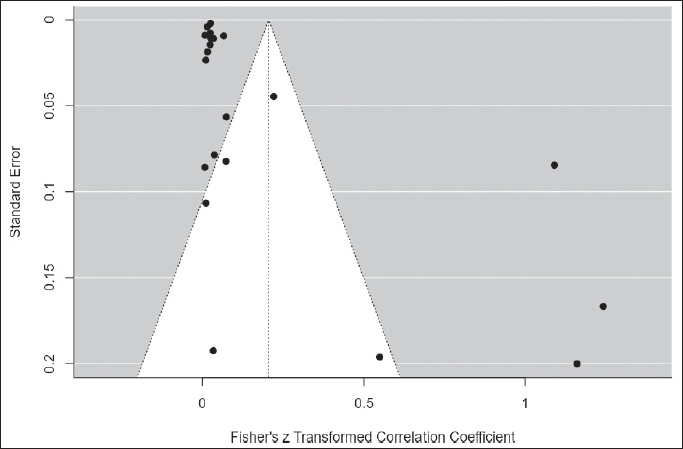
Figure 1. PRISMA flow diagram of study selection.
Characteristics of included studies
The 21 included studies were published between 2011 and 2025, originating from various countries, including the USA [12-18], South Korea [19-21], Australia [22], Germany [1,23,24], Canada [25-27], Spain [28], Japan [29], Denmark [30], and Kuwait [7]. Most studies were retrospective or prospective observational designs, with a few RCTs and single-arm clinical reports. Sample sizes varied widely, ranging from small cohorts to large population-based analyses with over 250,000 participants. Patient ages ranged from 21 to 73 years.
The primary outcomes of interest were cardiovascular events such as MI, stroke, MACE, and heart failure. Additional cardiovascular risk factors evaluated included changes in lipid profiles, blood pressure, inflammatory markers [e.g., neutrophil-to-lymphocyte ratio (NLR)], smoking status, obesity, and diabetes. Several studies also utilized formal cardiovascular risk tools, including the Framingham Risk Score and ASCVD risk calculators, although many did not report these numerically.
The included studies varied in design, setting, and sample size. Most studies were either retrospective or prospective observational in nature, with a few RCTs. Table 1 summarizes the general characteristics of the included studies.
Patient demographics, including comorbidities and baseline characteristics such as hypertension, obesity, or dyslipidemia, are presented in Table 2.
Details of biologic treatments—such as agent class (TNF-α, IL-17, IL-23 inhibitors), dosages, and treatment durations—are provided in Table 3.
Adverse events were inconsistently reported, with some studies noting atrial fibrillation, fractures, and treatment-related withdrawals, while others reported no significant safety concerns. A summary of CVD outcomes and adverse events observed across studies is provided in Tables 4 and 5.
RoB and methodological quality
The quality of the included studies was assessed using the Cochrane RoBS 2 Tool for RCTs and the ROBINS-I tool for nonrandomized comparative studies [9,10]. Case reports and series were assessed for causality and reporting rigor, and cross-sectional studies using the AXIS tool were judged to have overall adequate quality despite some weaknesses in missing data reporting and addressing non-responders. The results of the RoB assessment are summarized in Tables 6 and 7.
Table 1. General studies characteristics.
| Study ID | Study design | Year of publication | Country of study | Number of patients included (on biological treatment) |
| Abuabara et al. [12] | Observational cohort study | 2011 | USA | 12,224 |
| Dey et al. [13] | Observational cohort study | 2020 | USA | 316 |
| Bissonnette et al. [25] | RCTs | 2013 | Canada | 30 |
| Cho et al. [19]. | Nationwide population-based cohort study | 2024 | South Korea | 2,886 |
| Gelfand et al. [14]. | RCTs, double-blinded, placebo-controlled trial | 2021 | United States | 91 |
| Genre et al. [28]. | Cohort study | 2023 | Spain | 29 |
| Gulliver et al. [26]. | Retrospective cohort study | 2016 | Canada | 139 |
| Hagino et al. [29]. | Retrospective study | 2023 | Japan | 165 |
| Hjuler et al. [30]. | Single-center prospective, controlled study | 2016 | Denmark | 28 |
| Hoffmann et al. [23]. | Retrospective study | 2021 | Germany | 143 |
| Hong et al. [20]. | Nationwide population-based cohort study | 2021 | South Korea | 1,817 |
| Kim et al. [21]. | Case–control study | 2023 | Korea | 251,813 |
| Kridin et al. [15]. | Retrospective cohort with propensity matching | 2025 | USA, Germany | 16,780 |
| Kridin et al. [24]. | Cohort study | 2025 | Germany | 8,410 |
| Lee et al. [16]. | Cohort study | 2019 | USA | 60,028 |
| Levesque et al. [27]. | Retrospective cohort study | 2013 | Canada (Quebec) | 506 |
| Shaaban et al. [7]. | Retrospective study | 2018 | Kuwait | 4,762 |
| Smith et al. [22]. | Retrospective Study | 2025 | Australia | 39 |
| von Stebut et al. [1]. | Randomized, double-blind, exploratory trial | 2019 | Germany | 151 |
| Wu et al. [17]. | Retrospective cohort study | 2012 | United States | 8,845 |
| Wu et al. [18]. | Observational retrospective cohort study | 2018 | United States | 11,410 |
Meta-analysis findings
Pooled proportion of cardiovascular risk outcomes
A single-arm meta-analysis was conducted to estimate the pooled proportion of patients experiencing cardiovascular outcomes following biologic therapy. Under the random-effects model, the pooled proportion was 0.0782 (7.82%) with a 95% confidence interval of 0.0531 to 0.1137 (z = 5.06, p < 0.0001). This estimate reflects the cumulative incidence of cardiovascular events or risk modulation in dermatologic patients receiving biologics (Figure 2 illustrates the forest plot of the pooled proportions).
Table 2. Patient characteristics.
| Study ID | Age (Mean ± SD) | Age range | Comorbidities | Baseline CV risk | Dermatologic condition | Severity |
| Abuabara et al. [12]. | 42.2 ± 11.6 | NR | PsA (42%), depression (15%), HTN (25%), DM (11%), DLP (33%), obesity (11%), smoking (12%) | HTN: 25%, DM: 11%, DLP: 33%, Obesity: 11% | Psoriasis | Moderate-to-severe |
| Dey et al. [13]. | 47.9 ± 12.6 | NR | Excluded DM, CKD, HTN, BMI ≥35 | Framingham score: 2.0 (0.6-5.7) | Psoriasis | Very severe |
| Bissonnette et al. [25]. | 56.1 ± 11.0 | 18-80 years | Atherosclerosis, HTN, DM, DLP, obesity | Chol: 4.60 ± 0.97, LDL: 2.74 ± 0.79, HDL: 1.08 ± 0.32, TG: 1.69 ± 0.80, hs-CRP: 4.22 | Plaque psoriasis | Moderate-to-severe |
| Cho et al. [19]. | 46.0 ± 12.7 | NR | DLP (51.1%), HTN (23.0%), DM (13.6%) | Higher DLP in TNF-α users | Psoriasis/PsA | Severe |
| Gelfand et al. [14]. | 47.4 ± 13.7 | NR | CAD (5.5%), DM (5.5%), DLP (20.9%), HTN (29.7%), PsA (29.7%) | Elevated CV risk | Plaque psoriasis | Moderate-to-severe |
| Genre et al. [28]. | 37.4 ± 9.9 | NR | Smoking (34.5%), obesity (24.1%), DLP (44.8%) | Smoking: 34.5%, Obesity: 24.1% | Psoriasis | Moderate-to-severe |
| Gulliver et al. [26]. | 51.4 ± 11.6 | 20-80 years | NR | NR | Plaque Psoriasis | Moderate-to-severe |
| Hagino et al. [29]. | 56.0 ± NR | 43.5-75.5 years | Arthritis, DM (20%), HTN (43%), DLP (25%), hyperuricemia (25%), CVD (6%), smoking (98%) | Elevated CV risk | Psoriasis | Moderate-to-severe |
| Hjuler et al. [30]. | 49.2 ± 10.2 | 30-70 years | DM (7%), DLP (18%), HTN (25%), FHx CAD (39%) | Chol: 208.5; LDL: 127.4 | Psoriasis | Moderate-to-severe |
| Hoffmann et al. [23]. | 47.3 ± 12.0 | NR | CVD, depression, PsA (45%) | Elevated NLR | Psoriasis | Moderate-to-severe |
| Hong et al. [20]. | 46.3 ± 16.1 | 20-71+ years | HTN (23.6%), DM (15.6%), DLP (35.5%), ESRD (0.2%) | HTN: 24.6%-29.0% | Psoriasis | Moderate-to-severe |
| Kim et al. [21]. | 61.8 ± 12.8 | ≥20 years | DM (23.8%), HTN (45.5%), DLP (30.4%) | NR | Psoriasis | NR |
| Kridin et al. [15]. | 42.1 ± 24.2 | NR | Smoking (7.3%), FHx CAD (2.6%), CKD (3.5%), Cancer (30%) | NR | Atopic dermatitis | Moderate-to-severe |
| Kridin et al. [24]. | 49.7 ± 23.6 | NR | Smoking (6.7%), HTN (2.2%), DLP (3.6%), DM (2.4%) | NR | Atopic dermatitis | Moderate-to-severe |
| Lee et al. [16]. | 46.0 ± 12.6 | NR | DM (12.9%), DLP (33.9%), HTN (31.3%), HF (1.2%), CAD (4.4%) | NR | Psoriasis | NR |
| Levesque et al. [27]. | 52.8 ± NR | ≥20 years | DM, DLP, HTN (higher in psoriasis groups) | Higher in psoriasis versus controls | Psoriasis | Mild to severe |
| Shaaban et al. [7]. | 49.6 ± NR | NR | HTN, DM, DLP, TIA | Increased CV risk | Psoriasis | Moderate-to-severe |
| Smith et al. [22]. | 51.0 ± 16.9 | 26.5-55 years | Hyper-TG, DLP, DM | TG: 35.1%, LDL: 25%, low HDL: 50%, HbA1c: 52.6% | Psoriasis | Moderate-to-severe |
| von Stebut et al. [1]. | 44.2 ± 12.9 | NR | PsA (25%), DM (8.3%), HTN (27.1%) | NR | Plaque psoriasis | Moderate-to-severe |
| Wu et al. [17]. | 52.8 ± NR | NR | DM (14.5%), HTN (21.0%), DLP (23.1%), CAD (4.0%), CKD (2.5%) | Increased CV risk | Psoriasis | Moderate-to-severe |
| Wu et al. [18]. | 49.3 ± 13.8 | NR | HTN (29.3%), DLP (26.1%), DM (15.4%), Obesity (11.6%), Smoking (16.5%) | Higher CV risk in biologics users | Psoriasis | Moderate-to-severe |
HTN = Hypertension, DM = Diabetes Mellitus, DLP = Dyslipidemia, TG = Triglycerides, LDL = Low-Density Lipoprotein, HDL = High-Density Lipoprotein, hs-CRP = High-Sensitivity C-Reactive Protein, PsA = Psoriatic Arthritis, CAD = Coronary Artery Disease, CKD = Chronic Kidney Disease, CV = Cardiovascular, CVD = Cardiovascular Disease, ESRD = End-Stage Renal Disease, HF = Heart Failure, TIA = Transient Ischemic Attack, NLR = Neutrophil-to-Lymphocyte Ratio, FHx = Family History, NR = Not Reported.
Table 3. Biological treatment characteristics.
| Study ID | Type of biological treatment | Dosing regimen | Treatment duration | Administration route | Effectiveness of treatment | Concomitant medications |
|---|---|---|---|---|---|---|
| Abuabara et al. [12]. | TNFi: Adalimumab, Infliximab, Etanercept | NR | Ranged from 243 to 591 days | NR | NR | NR |
| Dey et al. [13]. | anti-TNF, anti-IL12/23, anti-IL17 | NR | 1 year | NR | Baseline 5.6 (2.9-9.3), after 1 year 6.6 (3.1-12.4), p-value 0.10 | NR |
| Bissonnette et al. [25]. | TNFi: Adalimumab | Every other week for 4 months; loading dose: 80 mg, maintenance dose: 40 mg | 4 months | Subcutaneous injection | 75% improvement in PASI (PASI 75) at week 16 | NR |
| Cho et al. [19]. | TNF-α inhibitors (adalimumab, etanercept, infliximab), IL-12/23 inhibitors (ustekinumab) | NR | Average follow-up: 2.9 ± 1.2 years | NR | TNF-α inhibitor users had higher all-cause mortality, no significant difference in MACE risk | NR |
| Gelfand et al. [14]. | IL-17 inhibitors (Secukinumab) | 300 mg weekly for 5 weeks, then every 4 weeks for 52 weeks | 12-week double-blind + 40-week open-label | Subcutaneous | PASI 90 response of 74% and 78% at Week 12 | NR |
| Genre et al. [28]. | TNF inhibitors: Adalimumab | 80 mg at week 0, then 40 mg every other week | 6 months | Subcutaneous injections | Baseline PASI: 18.55 ± 7.63; at 6 months: 1.354 ± 2.129 | NR |
| Gulliver et al. [26]. | Anti-TNF-α (adalimumab, etanercept, infliximab), Anti-IL-12/23 (ustekinumab) | NR | 49 months | NR | NR | NR |
| Hagino et al. [29]. | TNFi, IL-17 inhibitors, IL-23 inhibitors | NR | Over 52 weeks | NR | Significant PASI 75/90/100 achievement with IL-17 and IL-23 inhibitors | NR |
| Hjuler et al. [30]. | TNFi: Adalimumab, Etanercept, Infliximab, IL-23 Inhibitors: Ustekinumab | NR | 1 year | NR | Mean PASI reduction: 87.6% | NR |
| Hoffmann et al. [23]. | TNF-alpha inhibitors (adalimumab, etanercept), IL-12/23 antagonist (ustekinumab) | NR | Mean 21 ± 19 months | NR | Median PASI: TNF-α antagonists = 2.9; IL-12/23 antagonists = 3.00 | NR |
| Hong et al. [20]. | TNFi, IL-17 inhibitors, IL-23 inhibitors, JAK inhibitors | NR | NR | NR | NR | NR |
| Kim et al. [21]. | TNF-α inhibitor, anti-IL-12/23p40, IL-17A antagonist, or IL-23 antagonist | NR | NR | Injection | NR | NR |
| Kridin et al. [15]. | TNFi, IL-17 inhibitors (IL17i), IL-23 inhibitors (IL23i), JAK inhibitors | Minimum of 2 years of continuous treatment | Minimum 2 years | NR | NR | Classic antipsoriatics excluded |
| Kridin et al. [24]. | Dupilumab | NR | Initial 3 years | NR | Dupilumab reduced risks of HTN (HR = 0.67), T2DM (HR = 0.53), and obesity (HR = 0.70) versus methotrexate/cyclosporine | NR |
| Lee et al. [16]. | IL-23 Inhibitors: Ustekinumab | NR | NR | NR | NR | NR |
| Levesque et al. [27]. | TNF inhibitors, IL-17 inhibitors, IL-23 inhibitors, JAK inhibitors | NR | NR | NR | Improvement in PASI scores | NR |
| Shaaban et al. [7]. | TNF inhibitors (adalimumab, etanercept, infliximab) | At least three consecutive months | Median follow-up: 3.9 years | Subcutaneous/intravenous | Responders showed reduced MI rates | Statins, beta-blockers, antihypertensives, lipid-lowering drugs |
| Smith et al. [22]. | TNF Inhibitors: Adalimumab, Infliximab; IL-17 Inhibitors: Secukinumab, Ixekizumab; IL-23 Inhibitors: Risankizumab, Guselkumab | NR | Continuous treatment for 1 year | NR | PASI decreased from 13.88 to 0.75 | Cholesterol-lowering and diabetic medications |
| von Stebut et al. [1]. | Secukinumab (IL-17A inhibitor) | Weekly doses for 5 weeks, then every 4 weeks until Week 48 | 52 weeks | Subcutaneous injection | ≥75% PASI reduction in 81.3% of patients at Week 12 | NR |
| Wu et al. [17]. | TNFi (etanercept, infliximab, adalimumab) | Median duration: 685 days | Median follow-up: 4.3 years | NR | Lower MI hazard (adjusted HR = 0.50; 95% CI: 0.32-0.79) | Statins (28.6%), β-blockers (46.5%), methotrexate (20.6%) |
| Wu et al. [18]. | TNFi and phototherapy (UVB/PUVA) | NR | Median: 15.4 months (TNFi), 12.6 months (phototherapy) | NR | TNFi cohort: lower CV event risk (adjusted HR = 0.77; 95% CI: 0.60-0.99) | Adjusted for prior Ps-related medications, statins, antihypertensives, smoking deterrents |
TNF = Tumor Necrosis Factor, TNFi = Tumor Necrosis Factor Inhibitor, IL-12/23 = Interleukin-12 and Interleukin-23, IL-17 = Interleukin-17, IL-23 = Interleukin-23, IL-17A = Interleukin-17A, IL23i = IL-23 Inhibitor, IL17i = IL-17 Inhibitor, JAK = Janus Kinase, PASI = Psoriasis Area and Severity Index, HR = Hazard Ratio, HTN = Hypertension, T2DM = Type 2 Diabetes Mellitus, MI = Myocardial Infarction, UVB = Ultraviolet B, PUVA = Psoralen + Ultraviolet A, CI = Confidence Interval, CV = Cardiovascular, NR = Not Reported.
By contrast, the fixed-effect model yielded a pooled proportion of 0.0273 (2.73%), highlighting the substantial between-study variability. This variation aligns with observed differences in biologic classes used, underlying dermatologic conditions, and cardiovascular risk profiles of patients.
Heterogeneity and subgroup considerations
The analysis demonstrated extreme heterogeneity with a Tau² of 0.8141, an I² of 99.5% (95% CI: 99.4%-99.5%), and a Q-value of 3,871.85 (df = 20, p < 0.0001). Such heterogeneity suggests true differences in treatment effects rather than random variation. Potential sources include variations in study design, patient baseline risk (e.g., Framingham scores), and biologic class. Subgroup analyses (e.g., stratification by biologic type, psoriasis severity, or cardiovascular risk scores) were not performed in this analysis due to data limitations and are acknowledged as a limitation. Future analyses should incorporate these to improve interpretability and clinical relevance.
Correlation-based association analysis
A supplementary analysis using Fisher’s r-to-z transformation assessed the overall association between biologic therapies and cardiovascular risk modulation. The pooled correlation coefficient was 0.2051 (95% CI: 0.0440 to 0.3661), with a z-score of 2.4951 (p = 0.0126), suggesting a modest but statistically significant positive association (Figure 3).
Outlier and sensitivity analysis
Outlier analysis identified Hoffmann et al. [23] and Smith et al. [22] as potential outliers based on studentized residuals > ±3.0381. Cook’s distance also flagged Hjuler et al. [30], Hoffmann et al. [23], and Smith et al. [22] as potentially influential studies. Sensitivity analyses excluding these studies were conducted, and results remained consistent with the main findings, supporting the robustness of the pooled estimates.
Publication bias assessment
Visual and statistical evaluation revealed evidence of potential publication bias. Egger’s regression intercept was 3.664 (p < 0.001), and the Begg and Mazumdar rank correlation was r = 0.314 (p = 0.049). The Fail-safe N was 1,913 (p < 0.001), with zero studies imputed by the trim-and-fill method.
The large fail-safe N suggests statistical robustness, but the observed funnel plot asymmetry implies that negative or null studies may be underrepresented, potentially inflating the apparent benefit of biologics (Figure 4 presents the funnel plot displaying this publication bias).
Table 4. CVD outcomes.
| Study ID | Incident cardiovascular events | Cardiovascular risk factors | Risk assessment tools used | Time frame for outcomes |
| Abuabara et al. [12]. | NR | No significant reductions in cardiometabolic parameters | NR | 12 months |
| Dey et al. [13]. | NR | No significant changes in known cardiovascular risk factors | Framingham risk score | 1 year |
| Bissonnette et al. [25]. | 1 MI | No statistically significant changes among groups for lipid values | NR | 4 months |
| Cho et al. [19]. | MACEs included AMI, stroke, heart failure, coronary revascularization, and cardiovascular death | Dyslipidemia, HTN, DM, smoking, and obesity were noted | NR | Up to 5 years (2016-2020) |
| Gelfand et al. [14]. | The study discusses cardiovascular risk but does not specify incident events like heart attacks or strokes | Small increases in total cholesterol, LDL, and LDL particles at Week 12; no changes in inflammation markers | NR | 52 weeks |
| Genre et al. [28]. | NR | Increase in cholesterol levels | NR | 6 months |
| Gulliver et al. [26]. | MI: 1 in the biologic group, 18 in the control group | NR | NR | 49 months |
| Hagino et al. [29]. | NR | Increase in HDL-C with IFX treatment at week 12 and a decrease in HDL-C with IXE treatment at week 52 | NR | 52 weeks |
| Hjuler et al. [30]. | NR | No significant changes | NR | 13 months |
| Hoffmann et al. [23]. | NR | High NLR | NR | 3 years |
| Hong et al. [20]. | MACE incidence per 1,000 PYs: Biologic cohort (3.5) versus controls (≥14.5) | NR | NR | Mean 1.4 ± 0.64 years |
| Kim et al. [21]. | NR | NR | NR | 1 year |
| Kridin et al. [15]. | Heart attack, stroke, heart failure, cardiac arrest, deep vein thrombosis, pulmonary embolism | HTN, smoking status, obesity (BMI), DM, family history of IHD | Propensity-score matching | Short-term (1 month) to long-term (2-5 years) |
| Kridin et al. [24]. | MACEs (adjusted HR: 0.77; p = 0.046) | Not specified | NR | 6-24 months |
| Lee et al. [16]. | Stroke incidence: Ustekinumab (7.2/1,000 PYs) versus TNFi (6.3/1,000 PYs); MACE: Ustekinumab (6.2) versus TNFi (6.1) | NR | NR | 6 years |
| Levesque et al. [27]. | Heart attack (MI), stroke, heart failure | Changes in cholesterol levels, blood pressure, smoking status, obesity | Framingham/ASCVD risk score (assumed) | Short-term (6 months) to long-term (>3 years) |
| Shaaban et al. [7]. | MI rates: TNF inhibitor (1.79%), MTX (3.03%), topical (3.03%) | Smoking (20.98% TNF cohort), obesity (mean BMI 28.8) | NR | Median 3.9 years |
| Smith et al. [22]. | NR | There were no significant reductions in cardiometabolic parameters | NR | 12 months |
| von Stebut et al. [1]. | One case of cerebral infarction after surgery | Cholesterol levels: No significant changes; smoking (~40%); obesity (mean BMI 27.8-30.1 kg/m²) | Framingham risk score | 52 weeks |
| Wu et al. [17]. | MI incidence: TNF inhibitors (3.05/1,000 PYs) versus topical (6.73/1,000 PYs) | Smoking (12.8%), obesity (44.2%) | NR | Median 4.3 years |
| Wu et al. [18]. | MACE: TNFi cohort (0.4%-1.4%) versus phototherapy (0.7%-2.7%) | NR | NR | Short-term (6 months) to medium-term (1-3 years) |
MI = Myocardial Infarction, MACE = Major Adverse Cardiovascular Events, AMI = Acute Myocardial Infarction, CV = Cardiovascular, HR = Hazard Ratio, HTN = Hypertension, DM = Diabetes Mellitus, IHD = Ischemic Heart Diseases, PYs = Person-Years, HDL-C = High-Density Lipoprotein Cholesterol, IFX = Infliximab, IXE = Ixekizumab, NLR = Neutrophil-to-Lymphocyte Ratio, BMI = Body Mass Index, ASCVD = Atherosclerotic Cardiovascular Disease, MTX = Methotrexate, TNFi = Tumor Necrosis Factor Inhibitor, NR = Not Reported.
Narrative summary of study findings
CVD outcomes
Several studies evaluated the incidence of cardiovascular events, such as MI, stroke, and MACE [20,23]. For example, Hong et al. [20] showed a reduction in MACE incidence with a mean follow-up of 1.4 years. In contrast, Hoffmann et al. [23], Joseph et al. [2], Abuabara et al. [12], and Smith et al. [22] did not report any cardiovascular outcomes. Across the studies, while many suggested a favorable cardiovascular trend, others did not report significant effects.
Table 5. Adverse events, follow up, and outcomes.
| Study ID | Incidence of adverse events (cardiovascular events) | Severity of adverse events | Withdrawal due to side effects | Follow-up duration | Loss to follow-up | Long-term effects |
| Abuabara et al. [12]. | NR | NR | NR | 12 months | NR | No significant cardiometabolic changes |
| Dey et al. [13]. | NR | NR | NR | 1 year | 38 lost; 45 with no follow-up | NR |
| Bissonnette et al. [25]. | NR | NR | NR | 4 months | 0 | Adalimumab may reduce vascular inflammation |
| Cho et al. [19]. | No significant difference in MACEs between groups; TNF-α inhibitors had higher all-cause mortality | NR | NR | Up to 5 years (2016-2020) | NR | Higher all-cause mortality in TNFi users |
| Gelfand et al. [14]. | 26 AEs (56.5%) in secukinumab group, incl. 2 serious; 16 AEs (35.6%) in placebo group | Rib fracture, upper limb fracture, aortic stenosis (serious AEs) | 2 (4.3%) in secukinumab; 3 (6.7%) in placebo | 52 weeks | 8 (8.8%) discontinued | Secukinumab had neutral effect on aortic inflammation |
| Genre et al. [28]. | NR | NR | NR | 6 months | NR | Adalimumab reduced sE-selectin levels |
| Gulliver et al. [26]. | MI: 1 in biologic group versus 18 in control group | NR | NR | 49 months | NR | Reduced MI incidence in biologic group |
| Hagino et al. [29]. | NR | NR | NR | 52 weeks | NR | TNFi may improve hyperuricemia and dyslipidemia |
| Hjuler et al. [30]. | NR | NR | NR | 13 months | 2 | Medium-term effect on coronary artery disease progression |
| Hoffmann et al. [23]. | NR | NR | NR | 3 years | NR | NLR reduction |
| Hong et al. [20]. | MACE: 3.5/1,000 PYs (biologic) versus ≥14.5/1,000 PYs (controls) | Severe | NR | Mean 1.4 ± 0.64 years | NR | MACE risk reduction at 3 years with biologics (HR = 0.46) |
| Kim et al. [21]. | NR | NR | NR | 1 year | NR | NR |
| Kridin et al. [15]. | MACE reported; arrhythmias not mentioned | NR | NR | 1 month-5 years | NR | Reduced mortality and CV risk with biologics |
| Kridin et al. [24]. | Atrial Fibrillation: Ustekinumab 5.0/1,000 PYs versus TNFi 4.7/1,000 PYs | Severe | NR | 6 years | NR | No difference in AF or MACE between ustekinumab and TNFi |
| Lee et al. [16]. | Cardiovascular events noted (e.g., arrhythmias) | Ranges from mild to severe (not explicitly stated) | NR | 6 months->3 years | NR | Higher MI risk in psoriatic patients |
| Levesque et al. [27]. | MI: TNFi 1.79% versus MTX 3.03% | NR | NR | Median 3.9 years | NR | TNF responders had lower MI risk |
| Shaaban et al. [7]. | NR | NR | NR | 12 months | NR | No significant cardiometabolic change |
| Smith et al. [22]. | 1 case cerebral infarction (not related to secukinumab) | NR | 11 discontinued, 6 due to AEs | 52 weeks | 11 discontinued | Improved endothelial function (FMD +2.1%); no change in arterial stiffness |
| von Stebut et al. [1]. | MI: TNFi 3.05/1,000 PYs versus topical 6.73/1,000 PYs | NR | 20.6% disenrolled; 4.5% died | Median 4.3 years | 20.6% disenrolled; 4.5% died | TNFi reduced MI risk by 50% compared to topicals |
| Wu et al. [17]. | MACE: TNFi 0.4%-1.4% versus phototherapy 0.7%-2.7% | NR | NR | 6 months-3 years | NR | NR |
| Wu et al. [18]. | TNFi group had significantly lower incidence of CV events versus phototherapy (HR = 0.77; 95% CI, 0.60-0.99) | Not explicitly graded, CV events only | NR | Mean 3.3 years | NR | TNFi use associated with lower risk of cardiovascular events compared to phototherapy (HR = 0.77) |
AE = Adverse Event, AEs = Adverse Events (plural), AF = Atrial Fibrillation, CV = Cardiovascular, FMD = Flow-Mediated Dilation, HUA = Hyperuricemia, HR = Hazard Ratio, LRNC = Lipid-Rich Necrotic Core, MACE = Major Adverse Cardiovascular Event, MI = Myocardial Infarction, MTX = Methotrexate, NLR = Neutrophil-to-Lymphocyte Ratio, PYs = Person-Years, TNFi = Tumor Necrosis Factor alpha inhibitors (TNF-α inhibitors), NR = Not Reported.
Table 6. Cochrane RoB2 assessment for RCTs.
| Study ID | Randomization process | Deviations from intended interventions | Missing outcome data | Measurement of the outcome | Selection of the reported result | Overall RoB s |
| Bissonnette et al. [25] | Low | Low | Low | Low | Low | Low |
| Gelfand et al. [14] | Low | Some concerns | Low | Low | Low | Some concerns |
| von Stebut et al. [1] | Low | Low | Low | Low | Low | Low |
Table 7. ROBINS-I assessment for non-randomized studies (18 studies).
| Study ID | Confounding | Participant selection | Classification of interventions | Deviations from intended interventions | Missing data | Outcome measurement | Selection of reported result | Overall bias |
| Abuabara et al. [12] | Moderate | Low | Low | Low | Low | Moderate | Low | Moderate |
| Dey et al. [13] | Low | Low | Low | Low | Low | Low | Low | Low |
| Cho et al. [19] | Moderate | Low | Low | Low | Low | Moderate | Moderate | Moderate |
| Genre et al. [28] | Moderate | Low | Low | Low | Low | Moderate | Moderate | Moderate |
| Gulliver et al. [26] | Moderate | Low | Low | Low | Low | Low | Low | Moderate |
| Hagino et al. [29] | Moderate | Low | Low | Low | Low | Moderate | Low | Moderate |
| Hjuler et al. [3 0] | Moderate | Low | Low | Low | Low | Moderate | Low | Moderate |
| Hoffmann et al. [23] | Moderate | Low | Low | Low | Low | Moderate | Moderate | Moderate |
| Hong et al. [20] | Moderate | Low | Low | Low | Low | Low | Low | Moderate |
| Kim et al. [21] | Serious | Moderate | Low | Low | Low | Serious | Low | Serious |
| Kridin et al. [15] | Moderate | Low | Low | Low | Low | Moderate | Moderate | Moderate |
| Kridin et al. [24] | Moderate | Low | Low | Low | Low | Moderate | Low | Moderate |
| Lee et al. [16] | Moderate | Low | Low | Low | Low | Moderate | Moderate | Moderate |
| Levesque et al. [27] | Moderate | Low | Low | Low | Low | Low | Low | Moderate |
| Shaaban et al. [7] | Moderate | Low | Low | Low | Low | Low | Low | Moderate |
| Smith et al. [22] | Moderate | Low | Low | Low | Low | Moderate | Low | Moderate |
| Wu et al. [17] | Moderate | Low | Low | Low | Low | Moderate | Low | Moderate |
| Wu et al. [18] | Moderate | Low | Low | Low | Low | Low | Low | Moderate |
Note: “Moderate” indicates acceptable risk, “Serious” flags high bias risk.
Cardiovascular risk factors
Several studies assessed changes in lipid profiles, inflammatory markers, and other risk indicators [4,23]. Hoffmann et al. [23] demonstrated an elevation in NLR post-therapy, while Elnabawi et al. [4] reported improvements in total cholesterol and lipid markers. Studies such as Joseph et al. [2] and Smith et al. [22] did not observe significant risk factor modulation.
Risk assessment tools
Only a subset of studies used formal cardiovascular risk calculators. The Framingham Risk Score was applied in studies including Elnabawi et al. [4], von Stebut et al. [1], Dey et al. [13], and Levesque et al. [27].
Adverse events
Adverse events varied widely; for example, Hong et al. [20] and Lee et al. [16] reported cardiovascular complications, including atrial fibrillation. Kridin et al. [15] and Levesque et al. [27] noted MACE events, while Gelfand et al. [14] observed fractures linked to secukinumab. Details are available in Table 5.
Long-term effects
Long-term impacts were inconsistently reported. Hoffmann et al. [23] observed reduced NLR over time, while Lee et al. [16] reported no long-term differences in atrial fibrillation or stroke. Elnabawi et al. [4] suggested biologics may lower long-term cardiovascular risk. Heterogeneity of long-term outcomes is summarized in Table 5.
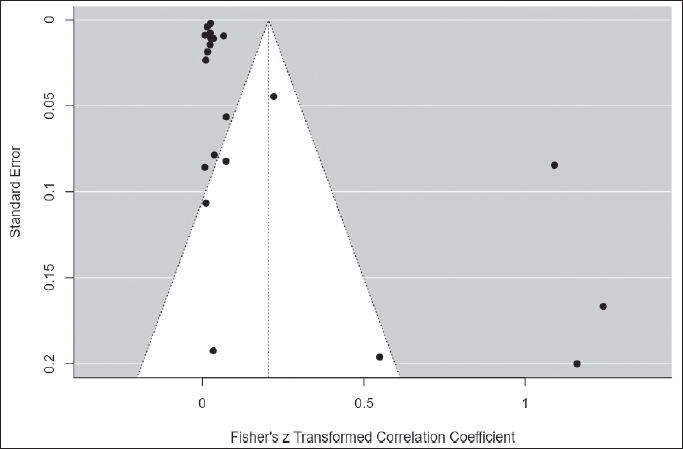
Figure 2. Forest plot of pooled proportions of cardiovascular outcomes in biologic-treated patients across 21 studies.
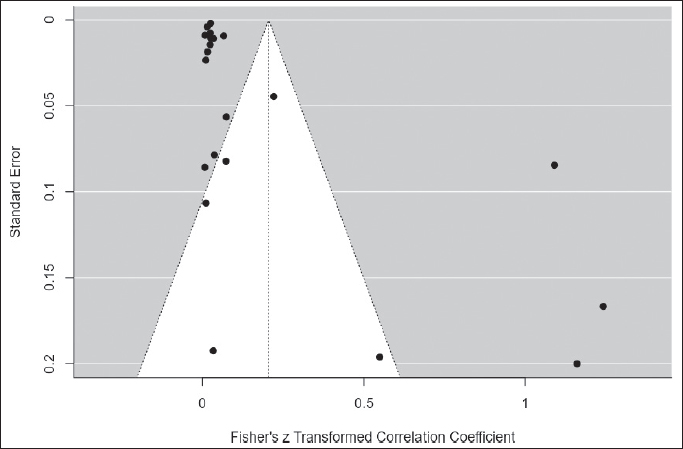
Figure 3. Forest plot of Fisher r-to-z transformed correlation coefficients across the 21 studies. Importantly, the 95% prediction interval ranged from -0.5302 to 0.9403, indicating that in certain populations, biologic therapy may reduce, increase, or have no effect on cardiovascular risk. This further reinforces the need for stratified analyses in future work.
Clinical interpretation
The meta-analysis suggests that biologic therapies may be associated with a modest reduction in cardiovascular risk among dermatologic patients, reflected by a pooled event rate of 7.82% and supported by a small but significant average correlation. However, the extreme heterogeneity (I² = 99.5%), influential outliers, and risk of publication bias limit definitive conclusions.
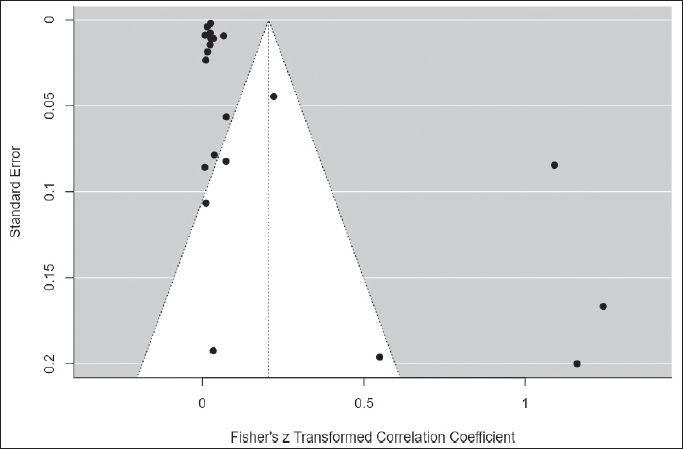
Figure 4. Funnel plot displaying asymmetry suggestive of publication bias among included studies.
The diversity in reported outcomes—ranging from lipid profile improvements and blood pressure changes to Framingham scores and hard cardiovascular events (e.g., MACE)—highlights the need for standardization in outcome definitions and assessment tools. Future research should prioritize subgroup meta-analyses, stratified by biologic class and baseline cardiovascular risk, and leverage prospective cohort data with uniform endpoints to clarify these relationships and guide clinical practice.
Discussion
This systematic review and single-arm meta-analysis assessed the relation between biologic therapy for dermatologic diseases and CVD outcomes. The key findings of our current study demonstrate that the pooled proportion of patients experiencing cardiovascular outcomes following biologic therapy was 7.82% (95% CI: 5.31%-11.37%), and there was a modest but statistically significant positive correlation (r = 0.2051, p = 0.0126) between biologic therapies and cardiovascular risk modulation. Our results support the concept that these therapies, especially TNF-α, IL-17, and IL-23 inhibitors, may protect against cardiovascular damage by repression of systemic inflammation, a key factor in endothelial dysfunction, atherosclerosis, and raised risk of CVD in patients with chronic inflammatory skin conditions such as psoriasis and hidradenitis suppurativa.
Several studies included in this review indicated that the incidences of MACE, MI, and stroke were lower in patients treated with biologics compared to patients treated with phototherapy or conventional systemic agents [14,19,25]. For example, MACE incidence with biologic treatments is reported to be 3.5 per 1,000 person-years compared to 28.4 per 1,000 PY with cyclosporine and 12.1 per 1,000 PY with methotrexate, respectively. This aligns with previous observational data on TNF-α blockers for chronic plaque psoriasis, which suggests diminished CVD risk [17,20].
The beneficial impact of biologics appears multifactorial. Inflammation plays a central role in the pathophysiology of both psoriasis and atherosclerosis. Inflammatory cytokines such as TNF-α and IL-17 contribute to endothelial dysfunction, insulin resistance, and plaque instability [31]. Therefore, inhibiting these pathways may translate into vascular benefit. This mechanistic hypothesis is supported by imaging studies showing regression in coronary plaque burden and reduced perivascular inflammation in patients treated with biologics [18].
Our review included longitudinal studies showing that sustained biologic treatment leads to improvements in surrogate cardiovascular markers such as carotid intima-media thickness, arterial stiffness, and the NLR [20,30]. For example, one study observed significant reductions in non-calcified coronary plaque after 1 year of biologic therapy [23]. Similarly, patients treated with IL-17 inhibitors demonstrated improvements in endothelial function and reductions in vascular inflammation [45].
Among biologic classes, TNF-α inhibitors have the most evidence supporting cardiovascular benefit [12,16]. IL-17 and IL-23 inhibitors such as secukinumab and ustekinumab also demonstrated potential in reducing lipid abnormalities and inflammatory markers, although not all studies found statistically significant reductions in clinical cardiovascular events [14,27]. Some studies noted that while TNF-α inhibitors reduced MI risk compared to phototherapy, the differential effect across biologic classes was less pronounced, highlighting the need for further head-to-head trials [7].
While most of the studies included in the review considered psoriasis, there is growing yet limited evidence that biologics might also confer cardiovascular risk reduction in hidradenitis suppurativa and atopic dermatitis patients [7,22]. Dupilumab has, for instance, been shown to have favorable cardiovascular outcomes in atopic dermatitis compared to cyclosporine and methotrexate by reducing the risks of hypertension and type 2 diabetes [22].
Despite encouraging trends, cardiovascular improvements have not been consistently shown across studies. Short-term trials or trials with smaller sample sizes were unable to demonstrate changes in lipid profile or blood pressure [22]. Similarly, while some inflammatory markers like C-reactive protein decreased, other studies failed to show a reduction in cardiovascular event incidence [31]. This demonstrates the complexity of translating surrogate markers into clinical outcomes and emphasizes the need for long-term follow-up.
Safety outcomes have been generally positive. Only a handful of studies reported serious cardiovascular adverse events potentially related to biologics. Events such as atrial fibrillation or ischemic complications were rare, largely observed in patients with preexisting cardiovascular risk factors. While there was no increased risk for all-cause mortality in patients undergoing biologic treatment, this safety profile agrees with previous registry data and real-world studies [16].
This study has several limitations, including the predominance of observational data. Even though propensity-score matched analyses were performed in some studies with adjustments for comorbidities, confounding may still be present [13]. Only a handful of RCTs with endpoints related to cardiovascular outcomes have been identified. Additionally, direct comparisons and causal inferences are hindered by heterogeneity in studies with respect to follow-up duration, biologic agent, dosing, and definitions of outcomes. Differences in reporting methodologies, including the inconsistent use of cardiovascular risk calculators (e.g., Framingham, ASCVD), further complicate the synthesis. A second limitation is the underrepresentation of non-psoriatic populations; evidence mostly favors moderate-to-severe plaque psoriasis, while little supports extrapolation into atopic dermatitis, alopecia areata, and hidradenitis suppurativa. Furthermore, newer agents such as JAK inhibitors and IL-36 inhibitors are seldom studied concerning cardiovascular outcomes, representing a gap in the literature. However, this study also has notable strengths, including a comprehensive search strategy and robust methodology that synthesizes available data to provide a clearer picture of the cardiovascular safety profile of dermatologic biologics.
Future research should focus on large, multicenter randomized trials with clearly defined cardiovascular endpoints. Integrating biomarkers, imaging modalities such as coronary computed tomography angiography, and long-term follow-up data will be critical to confirm these findings. Stratification by disease severity, sex, ethnicity, and baseline cardiovascular risk could provide valuable insights into which patients benefit most from biologic therapy.
Clinically, our findings advocate for a multidisciplinary approach. Dermatologists, cardiologists, and primary care physicians should collaborate to assess cardiovascular risk in patients with chronic inflammatory skin conditions. When appropriate, biologic therapies should be considered not only for skin clearance but also for their potential to reduce systemic inflammation and long-term cardiovascular burden.
Conclusion
Biologic therapies used in dermatology, particularly in the management of moderate-to-severe psoriasis, appear to be associated with a reduction in cardiovascular risk markers and events, including MACE, MI, and stroke. These benefits are likely mediated through the suppression of chronic systemic inflammation, a key driver of both dermatologic and cardiovascular pathology.
While these findings support the dual therapeutic role of biologics in improving both skin and cardiovascular health, further high-quality, long-term RCTs are warranted to confirm causality and establish agent-specific effects. Future research should also address diverse patient populations, including those with high baseline cardiovascular risk and non-psoriatic inflammatory skin diseases. Clinicians should consider cardiovascular comorbidity profiles when selecting systemic treatments for dermatologic patients, recognizing biologic agents as potentially beneficial beyond skin clearance alone.
List of Abbreviations
AE Adverse event
AEs Adverse events
AF Atrial fibrillation
AMI Acute myocardial infarction
ASCVD Atherosclerotic cardiovascular disease
AXIS Appraisal tool for cross-sectional studies
BMI Body mass index
CI Confidence interval
CV Cardiovascular
DLP Dyslipidemia
DM Diabetes mellitus
ESRD End-stage renal disease
FHx Family history
FMD Flow-mediated dilation
HDL High-density lipoprotein
HDL-C High-density lipoprotein cholesterol
HF Heart failure
HR Hazard ratio
hs-CRP High-sensitivity C-reactive protein
HTN Hypertension
IFX Infliximab
IL Interleukin
IL-12/23 Interleukin-12 and interleukin-23
IL-17 Interleukin-17
IL-17A Interleukin-17A
IL-17i Interleukin-17 inhibitor
IL-23 Interleukin-23
IL-23i Interleukin-23 inhibitor
IXE Ixekizumab
JAK Janus kinase
LDL Low-density lipoprotein
LRNC Lipid-rich necrotic core
MACE Major adverse cardiovascular events
MI Myocardial infarction
MINORS Methodological index for non-randomized studies
MTX Methotrexate
NLR Neutrophil-to-lymphocyte ratio
NR Not reported
PASI Psoriasis area and severity index
PRISMA Preferred Reporting Items for Systematic Reviews and Meta-Analyses
PUVA Psoralen plus ultraviolet A
PYs Person-years
RCT Randomized controlled trial
RoB2 Revised cochrane risk of bias tool
SD Standard deviation
SE-selectin Soluble E-selectin
T2DM Type 2 diabetes mellitus
TG Triglycerides
TIA Transient ischemic attack
TNF Tumor necrosis factor
TNFi Tumor necrosis factor inhibitor
TNF-α Tumor necrosis factor alpha
UVB Ultraviolet B
Conflict of interests
The authors declare that there is no conflict of interest regarding the publication of this article.
Funding
None.
Consent to participate
Not applicable.
Consent for publication
Not applicable.
Ethical approval
Not applicable.
Author details
Sara Mahfoud Alghamdi1, Mohammed A. Alahmadi2, Ahmed K. Alsaif3, Lama S. Alghamdi1, Shahad A. Alshehri4, Salma A. Alhussaini2, Ghaida B. Alanazi5, Abdullah S. Algarni4
- Faculty of Medicine, Al-Baha University, Al-Bahah, Saudi Arabia
- College of Medicine, Taibah University, Madinah, Saudi Arabia
- College of Medicine, Al-Rayan Colleges, Madinah, Saudi Arabia
- College of Medicine, University of Jeddah, Jeddah, Saudi Arabia
- College of Medicine, University of Tabuk, Tabuk, Saudi Arabia
Supplementary content (If any) is available online.
References
- Von Stebut E, Reich K, Thaçi D, Koenig W, Pinter A, Körber A, et al. Impact of secukinumab on endothelial dysfunction and other cardiovascular disease parameters in psoriasis patients over 52 weeks. J Invest Dermatol. 2019;139(5):1054–62. https://doi.org/10.1016/j.jid.2018.10.042
- Joseph J, Truong K, Lo SN, Foo F, Zaman S, Chow CK, et al. Impact of biologic therapy on key cardiovascular risk parameters in a psoriatic cohort-a retrospective review. Dermatol Ther (Heidelb). 2024;14(5):1337–48. https://doi.org/10.1007/s13555-024-01154-8
- Smith A, Karahasan A, Yi D, Yapabandara S, Elhindi J, Fernandez-Penas P, et al. Biologic therapy and cardiometabolic risk in psoriasis: a retrospective review. Dermatol Ther. 2025;15(1):201–12. Available from: https:// research.ebsco.com/linkprocessor/plink?id=17159d7b4cd0-3fd2-b49a-694c15419f5e
- Elnabawi YA, Oikonomou EK, Dey AK, Mancio J, Rodante JA, Aksentijevich M, et al. Association of biologic therapy with coronary inflammation in patients with psoriasis as assessed by perivascular fat attenuation index. JAMA Cardiol. 2019;4(9):885–91. https://doi.org/10.1001/jamacardio.2019.2589
- Cho H, Kim YJ, Moon IJ, Lee WJ, Won CH, Lee MW, et al. Risk of major adverse cardiovascular events and all-cause mortality among patients with psoriatic disease treated with TNF-α and IL-12/23 inhibitors: a nationwide population-based cohort study in Korea. J Dermatolog Treat. 2024;35(1):2321194. https://doi.org/10.1080/09546634.2024.2321194
- Hagino T, Saeki H, Fujimoto E, Kanda N. Effects of biologic therapy on laboratory indicators of cardiometabolic diseases in patients with psoriasis [Internet]. Durham, NC: Research Square; 2023. Available from: https://research.ebsco.com/linkprocessor/plink?id=644739da-b828-3b38-9981dd4771f2abc3
- Shaaban D, Al-Mutairi N. The effect of tumor necrosis factor inhibitor therapy on the incidence of myocardial infarction in patients with psoriasis: a retrospective study. J Dermatol Treat. 2018;29(1):3–7. https://doi.org/10.1080/09546634.2016.1254145
- Page MJ, McKenzie JE, Bossuyt PM, Boutron I, Hoffmann TC, Mulrow CD, et al. The PRISMA 2020 statement: an updated guideline for reporting systematic reviews. BMJ. 2021;372(71):71. https://doi.org/10.1136/bmj.n71
- Cochrane Bias Methods Group. ROB 2: revised cochrane risk-of-bias tool for randomized trials. Cochrane. n.d. [cited 2025 May 6]. Available from: https://methods.cochrane.org/bias/resources/rob-2-revised-cochrane-risk-bias-tool-randomized-trials
- Cochrane. ROBINS-I: risk of bias in non-randomized studies of interventions [Internet]. London, United Kingdom: Cochrane; n.d. Available from: https://methods.cochrane.org/bias/risk-bias-non-randomized-studies-interventions
- Biostat. Comprehensive meta-analysis (Version 3.0) [Computer software]. Englewood, NJ: Biostat; 2013. Available from: https://meta-analysis.com
- Abuabara K, Lee H, Kimball AB. The effect of systemic psoriasis therapies on the incidence of myocardial infarction: a cohort study. Br J Dermatol. 2011;165(5):1066–73. https://doi.org/10.1111/j.1365-2133.2011.10525.x
- Dey AK, Teague HL, Adamstein NH, Rodante JA, Playford MP, Chen MY, et al. Association of neutrophil-to-lymphocyte ratio with non-calcified coronary artery burden in psoriasis: findings from an observational cohort study. J Cardiovasc Comput Tomogr. 2021;15(4):372–9. https://doi.org/10.1016/j.jcct.2020.12.006
- Gelfand JM, Shin DB, Duffin KC, Armstrong AW, Blauvelt A, Tyring SK, et al. A randomized placebo-controlled trial of Secukinumab on aortic vascular inflammation in moderate-to-severe plaque psoriasis (VIP-S). J Invest Dermatol. 2020;140(9):1784–93. https://doi.org/10.1016/j.jid.2020.01.025
- Kridin K, Bieber K, Vorobyev A, Moderegger EL, Olbrich H, Ludwig MA, et al. Biological, as opposed to classic antipsoriatic drug or apremilast, treatment mitigates the risk of death and cardiovascular disease in psoriasis. EBioMedicine. 2025;111:105485. https://doi.org/10.1016/j.ebiom.2024.105485
- Lee MP, Desai RJ, Jin Y, Brill G, Ogdie A, Kim SC. Association of ustekinumab vs TNF inhibitor therapy with risk of atrial fibrillation and cardiovascular events in patients with psoriasis or psoriatic arthritis. JAMA Dermatol. 2019;155(6):700–7. https://doi.org/10.1001/jamadermatol.2019.0001
- Wu JJ, Poon KY, Channual JC, Shen AY. Association between tumor necrosis factor inhibitor therapy and myocardial infarction risk in patients with psoriasis. Arch Dermatol. 2012;148(11):1244–50. https://doi.org/10.1001/archdermatol.2012.2502
- Wu JJ, Sundaram M, Cloutier M, Gauthier-Loiselle M, Guérin A, Singh R, et al. The risk of cardiovascular events in psoriasis patients treated with tumor necrosis factor-α inhibitors versus phototherapy: an observational cohort study. J Am Acad Dermatol. 2018;79(1):60–8. https://doi.org/10.1016/j.jaad.2018.02.050
- Cho H, Kim YJ, Lee JH, Park YJ, Shin JW, Kim DY, et al. Risk of major adverse cardiovascular events and all-cause mortality among patients with psoriatic disease treated with TNF-α and IL-12/23 inhibitors. J Dermatolog Treat. 2024;35(1):2321194. https://doi.org/10.1080/09546634.2024.2321194
- Hong JR, Jeong H, Kim H, Yang HS, Hong JY, Kim SM, et al. The potential impact of systemic anti-inflammatory therapies in psoriasis on major adverse cardiovascular events: a Korean nationwide cohort study. Sci Rep. 2021;11(1):8588. https://doi.org/10.1038/s41598-021-87766-y
- Kim Kim BR, Lee KH, Kim J, Kim JW, Paik K, Myung W, et al. Association between cardio-cerebrovascular disease and systemic antipsoriatic therapy in psoriasis patients: a nested case-control study. J Dermatol. 2023;50(11):1442–9. https://doi.org/10.1111/1346-8138.16904
- Smith A, Karahasan A, Yi D, Yapabandara S, Elhindi J, Fernandez-Penas P, et al. Biologic therapy and cardiometabolic risk in psoriasis: a retrospective review. Dermatol Ther (Heidelb). 2025;15(1):201–12. https://doi.org/10.1007/s13555-024-01327-5
- Hoffmann JH, Knoop C, Enk A, Hadaschik EN. Long-term dynamics of neutrophil-to-lymphocyte ratio under biologic treatment: differential effects of TNF-α and IL-12/23 antagonists h. Acta Derm Venereol. 2021;101(10):568. https://doi.org/10.2340/actadv.v101.271
- Kridin K, Abdelghaffar M, Ludwig RJ. The cardiometabolic safety of dupilumab in atopic dermatitis: a global large-scale cohort study. Arch Dermatol Res. 2025;317(1):296. https://doi.org/10.1007/s00403-024-03601-0
- Bissonnette R, Tardif JC, Harel F, Pressacco J, Bolduc C, Guertin MC. Effects of the TNF-α antagonist adalimumab on arterial inflammation in psoriasis: a randomized controlled trial. Circ Cardiovasc Imag. 2013;6(1):83–90. https://doi.org/10.1161/CIRCIMAGING.112.975730
- Gulliver WP, Randell S, Gulliver S, Connors S, Bachelez H, MacDonald D, et al. Do biologics protect patients with psoriasis from myocardial infarction? A retrospective cohort. J Cutan Med Surg. 2016;20(6):536–41. https://doi.org/10.1177/1203475416650430
- Levesque A, Lachaine J, Bissonnette R. Risk of myocardial infarction in Canadian patients with psoriasis: a retrospective cohort study. J Cutan Med Surg. 2013;17(6):398–403. https://doi.org/10.2310/7750.2013.13052
- Genre F, López-Mejías R, Corrales A, Ubilla B, García-Bermúdez M, González-Juanatey C, et al. Biologics improve arterial stiffness in patients with inflammatory skin disorders: a 12-month cohort study. Clin Exp Dermatol. 2023;48(3):420–8.
- Hagino T, Saeki H, Fujimoto E, Kanda N. Effects of biologic therapy on laboratory indicators of cardiometabolic diseases in patients with psoriasis. J Clin Med. 2023;12(5):1934. https://doi.org/10.3390/jcm12051934
- Hjuler KF, Böttcher M, Vestergaard C, Deleuran M, Raaby L, Bøtker HE, et al. Increased prevalence of coronary artery disease in severe psoriasis and severe atopic dermatitis. Am J Med. 2015;128(12):1325–4. https://doi.org/10.1016/j.amjmed.2015.05.041
- Kahlenberg JM, Kaplan MJ. Mechanisms of premature atherosclerosis in rheumatoid arthritis and lupus. Annu Rev Med. 2013;64(1):249–63. https://doi.org/10.1146/annurev-med-060911-090007
Keywords: Psoriasis, biologic therapy, cardiovascular disease, meta-analysis, MACE, TNF inhibitors.


Publication History
Received: March 11, 2026
Revised: March 28, 2026 Revised: March 29, 2026 Revised: April 21, 2026
Accepted: April 30, 2026
Published: June 19, 2026
 ORCID
ORCID