Annals of Middle Eastern Medicine
Sharifah Hussain Almasoud et al. Annals of Middle Eastern Medicine. 2026;2(3):302-311
REVIEW ARTICLE
Preoperative risk factors for adverse outcomes following total knee arthroplasty: a systematic review and meta-analysis
Sharifah Hussain Almasoud1, Sultan Abdulrahman A. Alhassan1*,
Abdulaziz Abbas Alwusaibie2, Meshari Adel AlRehaili2, Murtadha Hussain Abdulwahab2, Ali Hussein Abdullah Alamer2, Abdullelah Alhumaidi B. Alotaibi3, Fares Fahad Alammari4, Abdulaziz Abdulhamid B. Alaskar1, Mukhtar Ibrahim Alrashed5, Khalid Mansour Nasser Alammar1, Ali Saad Alshahrani6, Abdulaziz Fahad Alkheraiji7,8, Yousef Tawfik Khoja9,10
Correspondence to: Sultan Abdulrahman A. Alhassan
*College of Medicine, Majmaah University, Al Majma’ah, Saudi Arabia.
Email: Sultan.Alhassan@hotmail.com
Full list of author information is available at the end of the article.
Received: 16 June 2026 | Revised (1): 30 June 2026 | Accepted: 07 July 2026
ABSTRACT
This systematic review and meta-analysis evaluated preoperative patient factors associated with adverse outcomes after primary total knee arthroplasty (TKA). PubMed and Crossref were searched from 2010 to 2025 according to Preferred Reporting Items for Systematic Reviews and Meta-Analyses guidance, and the protocol was registered in PROSPERO (CRD420261297849). Eligible studies included adults undergoing primary TKA and reported diabetes mellitus, hypertension, obesity, morbid obesity, or sex in relation to readmission, revision surgery, or deep infection. Random-effects generic inverse-variance meta-analyses were performed using odds ratios (ORs) from adjusted models when available; unadjusted or calculated estimates were used only when adjusted estimates were unavailable. Twelve cohort studies, including 1,586,680 patients, were included. Diabetes mellitus was associated with higher odds of readmission (OR 1.17, 95% CI 1.05-1.30) and revision surgery (OR 1.17, 95% CI 1.03-1.32). Morbid obesity (body mass index ≥40 kg/m²) was associated with readmission, revision surgery, and deep infection. Male sex was associated with readmission and revision surgery, while non-morbid obesity and hypertension were not consistently associated with adverse outcomes. These findings support preoperative risk stratification and optimization for diabetes and morbid obesity before elective TKA. Interpretation should remain cautious because the included studies were observational and heterogeneity was substantial in several analyses.
Keywords:
Total knee arthroplasty, diabetes mellitus, morbid obesity, readmission, revision surgery, meta-analysis.
Introduction
Total knee arthroplasty (TKA) is an established treatment for end-stage knee osteoarthritis and is expected to remain one of the most frequently performed elective orthopedic procedures. Demand for TKA has increased with population aging, longer life expectancy, and rising expectations for mobility and function after surgery [1,2]. As procedural volume increases, adverse outcomes such as readmission, revision surgery, and deep infection remain important clinical and health system concerns [3,4].
Many candidates for total joint arthroplasty have preoperative factors that may influence postoperative outcomes. Diabetes mellitus, obesity, morbid obesity, hypertension, and sex have been evaluated in previous arthroplasty studies, but the magnitude and consistency of their associations vary across populations and outcomes [5-9]. Distinguishing modifiable factors, such as diabetes and morbid obesity, from non-modifiable factors, such as sex, is important for realistic preoperative counseling and risk stratification.
Morbid obesity, commonly defined as body mass index (BMI) ≥40 kg/m², has been associated with wound complications, infection, readmission, and revision after TKA [7-9]. Diabetes mellitus may also increase postoperative risk through impaired immune function, delayed wound healing, and metabolic effects related to poor glycemic control [4,10]. Hypertension and non-morbid obesity are common in surgical candidates, but their independent effects are less consistent across studies.
The objective of this systematic review and meta-analysis was to summarize the available evidence on selected preoperative risk factors and adverse outcomes after primary TKA. The review focused on diabetes mellitus, hypertension, obesity, morbid obesity, and sex in relation to readmission, revision surgery, and deep infection.
Methods
Protocol registration
This review was conducted in accordance with the Preferred Reporting Items for Systematic Reviews and Meta-Analyses (PRISMA) 2020 statement [10]. The protocol was registered in the International Prospective Register of Systematic Reviews (PROSPERO; CRD420261297849).
Eligibility criteria
Eligible studies included adult patients who underwent primary TKA and evaluated at least one of the following factors: diabetes mellitus, hypertension, obesity, morbid obesity, or sex. Outcomes of interest were readmission, revision surgery, and deep infection. Observational cohort studies, case-control studies, and randomized clinical trials were eligible if sufficient effect estimates or extractable outcome data were available. Cross-sectional studies, case reports, case series, editorials, conference abstracts, reviews, studies of patients younger than 18 years, and studies without usable outcome data were excluded. Non-English articles were excluded, and this was considered a potential source of language bias.
Data sources and study selection
PubMed and Crossref were searched for studies published from 2010 to 2025. The search combined terms related to TKA, comorbidities or patient factors, and postoperative outcomes. The full database search strategy is provided in Supplementary Table 1. The search was not expanded to Embase, Scopus, Web of Science, or the Cochrane Library during this revision because the original screening and data extraction set had already been finalized; this limitation is acknowledged in the Discussion.
Table 1. Study characteristics of the included studies.
| Study ID | Study design | Sample size, N | Age in years, Mean ± SD | BMI in kg/m², Mean ± SD | Males, N (%) | Diabetes, N (%) | Hypertension | Obese, N (%) | Morbidly obese, N (%) | Primary outcomes |
|---|---|---|---|---|---|---|---|---|---|---|
| Abdulla et al. [11] | Retrospective cohort | 16,485 | 67.1 | - | 6,428 (39.0) | - | - | 8,025 (48.7) | 2,555 (15.5) | 30-day Readmission, deep infection |
| Adams et al. [12] | Retrospective cohort | 40,491 | 68.0 ± 10.0 | - | 15,077 (37.2) | 7,567 (18.7) | - | 17,561 (43.4) | - | Readmission, revision |
| George et al.[13] | Retrospective cohort | 150,934 | 66.6 ± 9.6 | - | 57,265 (37.9) | 27,108 (18.0) | - | 71,709 (47.5) | 23,081 (15.3) | Readmission, deep infection |
| Bottle et al. [14] | Retrospective cohort | 387,222 | - | - | 214173 (57.2) | 48,297 (12.9) | 188,914 (50.4) | - | - | Revision |
| Watts et al. [15] | Prospective cohort | 111 | 60.6 ± 8.7 | 37.5 ± 9.4 | 73 (65.8) | - | - | - | 74 (66.7) | Revision |
| Nowak and Schemitsch [16] | Retrospective cohort | 362,789 | 66.9 ± 9.3 | 32.9 ± 6.3 | 138,600 (38.2) | 14,132 (3.9) | 232,427 (64.1) | - | - | 30-day Readmission |
| Kheir et al. [17] | Retrospective cohort | 3218 | 63.0 ± 10.9 | 32.8 ± 7.6 | 1,093 (34.0) | - | - | - | - | Readmission |
| Ali et al. [18] | Retrospective cohort | 566,323 | - | - | 261,109 (42.2) | 82,937 (13.4) | 319,728 (51.7) | 64,584 (10.4) | - | Readmission |
| Watts et al. [19] | Retrospective cohort | 186 | 65.8 ± 10.0 | 34.8 ± 10.2 | 46 (24.7) | 33 (17.7) | - | 93 (50.0) | - | Revision, deep infection |
| Alvi et al. [20] | Retrospective cohort | 13,250 | - | - | 3,975 (30.0) | 2,092 (15.8) | 8,650 (65.3) | 7,950 (60.0) | 2,650 (20.0) | 30-day Readmission |
| Ortved et al. [21] | Prospective cohort | 36,762 | 69.1 ± 1.0 | 27.7 ± 0.6 | 15,339 (41.7) | 4,018 (10.9) | 18,143 (49.3) | - | - | 90-day Readmission |
| Maradit Kremers et al. [22] | Retrospective cohort | 8,909 | 68 ± 10 | - | 3,885 (44.0) | 1,826 (21.0) | - | - | - | Revision |
Note: BMI, body mass index; SD, standard deviation; TKA, total knee arthroplasty. A dash indicates not reported or not applicable.
Screening was performed in two stages. Two reviewers independently screened titles and abstracts using Rayyan. Full texts were then assessed independently by two reviewers using predefined eligibility criteria. Disagreements were resolved by discussion with a third reviewer. The study selection process is summarized in Figure 1.
Data extraction and quality assessment
Data were extracted using a standardized spreadsheet. Extracted variables included study identifier, study design, sample size, age, BMI, sex distribution, prevalence of diabetes mellitus, hypertension, obesity, and morbid obesity, outcome definitions, and effect estimates. Adjusted effect estimates were prioritized. When adjusted estimates were unavailable, unadjusted estimates or calculated odds ratios (ORs) were used if sufficient data were provided. The source and handling of effect estimates are summarized in Supplementary
Table 4.
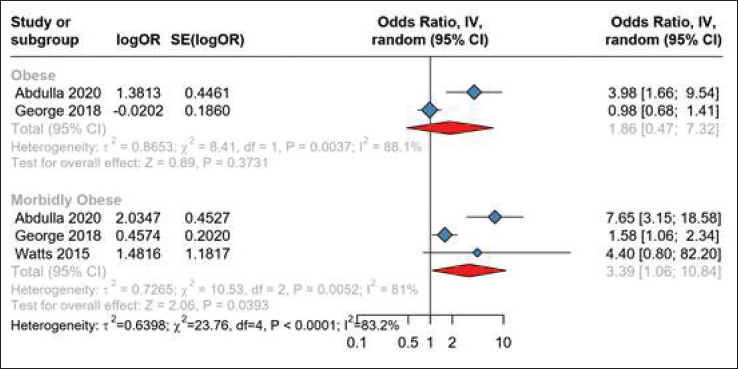
Figure 1. PRISMA flow diagram of study selection.
Table 2. Quality assessment of included studies using the NOS.
| Study ID | Selection (0-4) | Comparability (0-2) | Outcome (0-3) | Overall (0-9) | Quality |
|---|---|---|---|---|---|
| George et al. [13] | 4 | 2 | 3 | 9 | High |
| Bottle et al. [14] | 4 | 2 | 3 | 9 | High |
| Watts et al. [15] | 3 | 2 | 3 | 8 | High |
| Watts et al. [19] | 3 | 2 | 3 | 8 | High |
| Kheir et al. [17] | 3 | 2 | 3 | 8 | High |
| Alvi et al. [20] | 4 | 2 | 3 | 9 | High |
| Ali et al. [18] | 4 | 2 | 3 | 9 | High |
| Nowak and Schemitsch [16] | 4 | 2 | 3 | 9 | High |
| Adams et al. [12] | 3 | 2 | 3 | 8 | High |
| Maradit Kremers et al. [22] | 4 | 2 | 3 | 9 | High |
| Ortved et al. [21] | 4 | 2 | 3 | 9 | High |
| Abdulla et al. [11] | 3 | 2 | 3 | 8 | High |
Note: NOS, Newcastle-Ottawa Scale. Scores of 7-9 were considered high quality, 4-6 moderate quality, and ≤3 low quality.
Methodological quality was assessed using the Newcastle-Ottawa Scale (NOS) for cohort studies. The NOS evaluates selection, comparability, and outcome assessment, with a maximum score of 9 stars. Scores of 7-9 were considered high quality, 4-6 moderate quality, and ≤3 low quality. Quality assessment was performed independently by two reviewers, with disagreements resolved by consensus.
Statistical analysis
ORs were used as the primary measure of association because they were the most consistently reported effect measure across included studies. Risk ratios and hazard ratios were not pooled with ORs. Log ORs and corresponding standard errors were derived from reported ORs and 95% confidence intervals when necessary.
Random-effects generic inverse-variance meta-analyses were performed to estimate pooled associations between each risk factor and outcome. Meta-analysis was conducted using R (version 4.5.2; R Foundation for Statistical Computing, Vienna, Austria) with the meta package. No proportion meta-analyses were performed; therefore, no proportion transformation method was used. Studies with zero events or incomplete data were included only if an estimable OR and standard error, or sufficient information to derive them, were available. No continuity correction was applied in the generic inverse-variance analyses.
Heterogeneity was assessed using the I² statistic, with values greater than 50% considered substantial. Publication bias was not assessed using funnel plots or Egger-type tests because each pooled comparison included fewer than 10 studies, making these methods unreliable. Subgroup analysis and meta-regression were not performed because the number of studies per comparison was small, and reporting of region, adjustment set, and outcome definition was inconsistent. Sensitivity analysis excluding studies that contributed only unadjusted or calculated estimates was not performed because several outcomes would have had too few studies for stable pooling. A two-sided p value <0.05 was considered statistically significant.
Results
Study selection
The database search identified 799 records: 600 from PubMed and 199 from Crossref. Before screening, 36 duplicate records and 122 records published before 2010 were removed. A total of 641 records underwent title and abstract screening, of which 434 were excluded. Of 207 reports sought for retrieval, 18 were not retrieved. The remaining 189 full-text reports were assessed for eligibility. Full-text exclusions were mainly due to wrong population (n = 53), wrong intervention or exposure (n = 61), and wrong comparator (n = 63). Twelve studies were included in the final synthesis (Figure 1) [11-22].
Study characteristics and methodological quality
The 12 included studies comprised 1,586,680 patients who underwent TKA [11-22]. Ten studies were retrospective cohort studies, and two were prospective cohort studies. Mean age ranged from 63.0 +/- 10.9 to 69.1 +/- 1.0 years among studies that reported age. Mean BMI ranged from 27.7 +/- 0.6 to 37.5 +/- 9.4 kg/m². Male patients accounted for 45.1% of participants across the included studies. Study characteristics are summarized in Table 1.
All included studies were rated as high quality using the NOS (Table 2). Because most studies were retrospective database or registry studies, NOS scores should be interpreted as indicators of reporting and design quality rather than proof of absence of residual confounding.
Readmission
Diabetes mellitus was associated with higher odds of readmission (OR 1.17, 95% CI 1.05-1.30; p = 0.004), with substantial heterogeneity (I² = 71.4%). Morbid obesity was also associated with readmission (OR 1.24, 95% CI 1.06-1.45; p = 0.008), with low heterogeneity (I² = 28.4%). Male sex was associated with increased readmission odds (OR 1.24, 95% CI 1.06-1.45; p = 0.007), but heterogeneity was high (I² = 91.1%). Non-morbid obesity (OR 1.02, 95% CI 0.92-1.13; p = 0.744) and hypertension (OR 1.09, 95% CI 0.96-1.23; p = 0.203) were not significantly associated with readmission (Figure 2). Because heterogeneity was substantial for diabetes, male sex, and hypertension, these pooled estimates should be interpreted cautiously.
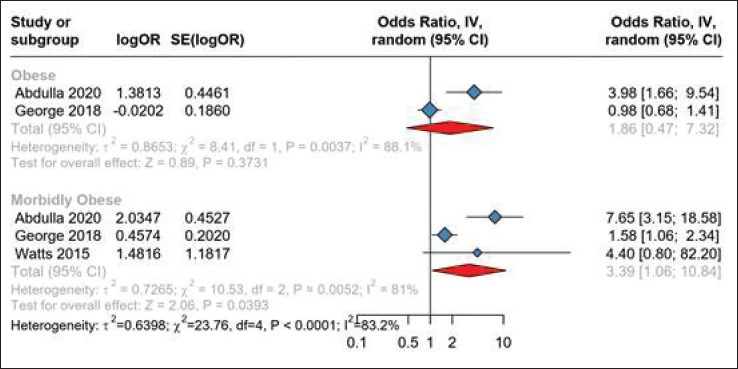
Figure 2. Forest plot for readmission risk factors.
Revision surgery and deep infection
Diabetes mellitus was associated with higher odds of revision surgery (OR 1.17, 95% CI 1.03-1.32; p = 0.012), with no observed heterogeneity (I² = 0%). Morbid obesity showed a stronger association with revision surgery (OR 3.97, 95% CI 1.88-8.37; p < 0.001; I² = 0%). Male sex was also associated with revision surgery (OR 1.24, 95% CI 1.19-1.30; p < 0.001; I² = 0%) (Figure 3).
For deep infection, morbid obesity was associated with higher odds (OR 3.39, 95% CI 1.06-10.84; p = 0.039), but heterogeneity was substantial (I² = 81.0%). Non-morbid obesity was not significantly associated with deep infection (OR 1.86, 95% CI 0.47-7.32; p = 0.373), with substantial heterogeneity (I² = 88.1%) (Figure 4). The high heterogeneity suggests that differences in outcome definitions, patient selection, adjustment strategy, and database source may have influenced these pooled estimates.
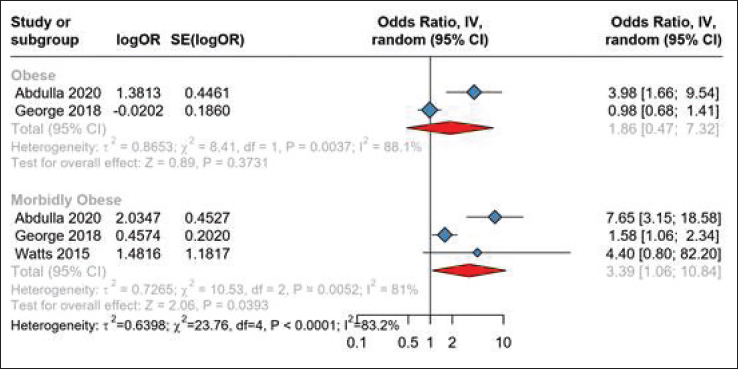
Figure 3. Forest plot for revision risk factors.
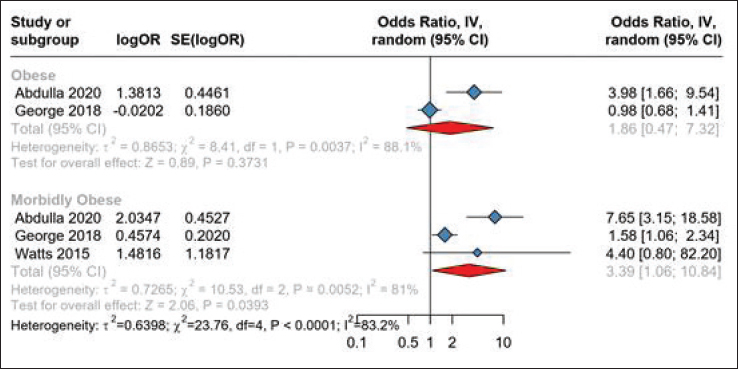
Figure 4. Forest plot for deep infection risk factors.
Discussion
This meta-analysis found that diabetes mellitus and morbid obesity were associated with adverse outcomes after primary TKA. Diabetes showed modest associations with readmission and revision surgery. Morbid obesity showed associations with readmission, revision surgery, and deep infection, with the largest pooled effect observed for revision surgery. Male sex was associated with readmission and revision surgery, but it is not a modifiable factor and should be used for risk stratification rather than optimization. Hypertension and non-morbid obesity were not consistently associated with the included outcomes.
The findings are consistent with previous reports linking diabetes to wound complications, infection risk, longer hospital stay, and revision-related outcomes after arthroplasty [12,23-26]. The likely biological pathway is not diabetes status alone but the metabolic and immune effects that may accompany poor glycemic control, including impaired leukocyte function, delayed collagen synthesis, and slower wound healing [27,28]. Therefore, diabetes should be interpreted as a marker for perioperative risk that may be partly modifiable through glycemic optimization and multidisciplinary management.
Morbid obesity was the most consistent modifiable factor in this review. Prior large database studies and meta-analytic evidence have reported higher readmission, infection, and revision risk among patients with severe obesity [7,8,13,15,19,29]. These associations are clinically plausible. Increased adipose tissue may impair wound healing through reduced tissue perfusion and higher wound tension, while systemic inflammation and related comorbidities may further increase perioperative risk [30-32]. However, BMI alone should not be used as the only determinant of surgical eligibility. Optimization should remain individualized and should consider function, symptoms, comorbidities, patient preference, and the feasibility of risk reduction.
Male sex was associated with readmission and revision in the pooled analyses. Registry data have also reported sex-based differences in revision for infection after arthroplasty [33]. Proposed explanations include differences in immune response, skin colonization, comorbidity profiles, and health-seeking behavior [34-41]. These explanations remain hypotheses in the context of this review. Sex is not modifiable, but it may help identify patients who require closer postoperative monitoring.
The null findings for hypertension and non-morbid obesity require caution. Hypertension is common in arthroplasty populations and may be well controlled in many surgical candidates. Its effect may therefore depend on severity, end-organ disease, medication control, and coexisting cardiometabolic risk. Similarly, non-morbid obesity may represent a broad group with variable metabolic health and mechanical risk. The stronger findings for morbid obesity support the importance of separating BMI categories rather than treating obesity as a single exposure.
Strengths and limitations
This review has several strengths. It included more than 1.5 million TKA patients and evaluated clinically relevant outcomes. The analysis separated morbid obesity from non-morbid obesity, which improved clinical interpretability. Study quality was assessed using the NOS, and the manuscript provides supplementary details on search strategy, extracted variables, PRISMA materials, and effect estimate handling.
Several limitations should be acknowledged. First, the search was limited to PubMed and Crossref, and potentially relevant studies indexed only in Embase, Scopus, Web of Science, or the Cochrane Library may have been missed. Second, only English-language studies were included, which may introduce language bias. Third, most included studies were retrospective database or registry studies, which may be affected by coding errors, missing clinical details, and residual confounding. Although all studies were rated as high quality using the NOS, this tool may overestimate quality for retrospective database studies because it does not fully capture coding accuracy, unmeasured confounding, or variability in administrative definitions.
Fourth, substantial heterogeneity was present in several analyses, including readmission for diabetes and male sex and deep infection for obesity-related exposures. The small number of studies within each pooled comparison and inconsistent reporting of adjustment sets, geographic region, outcome definitions, and follow-up windows prevented reliable subgroup analysis or meta-regression. Fifth, adjusted estimates were prioritized, but some pooled analyses included unadjusted or calculated estimates when adjusted estimates were unavailable. This may introduce confounding bias. Sensitivity analysis excluding these estimates was not performed because several comparisons would have had too few studies for stable pooling. Finally, publication bias could not be reliably assessed because fewer than 10 studies contributed to each pooled comparison.
Clinical implications and future research
The results support structured preoperative assessment for patients undergoing elective TKA, particularly for diabetes mellitus and morbid obesity. Optimization should be individualized and should include shared decision-making rather than automatic cancellation based on one variable. For patients with diabetes, perioperative planning should focus on glycemic control and wound risk. For patients with morbid obesity, risk counselling should address infection, readmission, revision, and realistic weight-management options.
Future studies should use prospective designs, standardized outcome definitions, and clearly reported optimization thresholds. More evidence is needed to determine whether specific interventions, such as weight-management pathways or glycemic optimization programs, reduce readmission, revision, or deep infection after TKA. Future reviews would be strengthened by broader database searches and by enough studies to support formal subgroup analysis, meta-regression, and publication bias assessment.
Conclusion
Diabetes mellitus and morbid obesity were associated with higher odds of adverse outcomes after primary TKA. Morbid obesity showed the clearest association across readmission, revision surgery, and deep infection. Male sex was also associated with readmission and revision surgery, but it should be used for risk stratification rather than as an optimization target. Because the evidence was observational and heterogeneity was substantial in several analyses, the findings should be interpreted as associations and applied through individualized preoperative counselling and risk reduction.
List of Abbreviations
BMI Body mass index
CI Confidence interval
I² I-squared statistic
NOS Newcastle-Ottawa Scale
OR Odds ratio
PJI Periprosthetic joint infection
PRISMA Preferred Reporting Items for Systematic Reviews and Meta-Analyses
PROSPERO International Prospective Register of Systematic Reviews
TJA Total joint arthroplasty
TKA Total knee arthroplasty
Conflict of interest
The authors declare no conflicts of interest.
Funding
No funding was received for this study.
Ethics approval and patient consent
Not applicable. This systematic review and meta-analysis used data from previously published studies and did not involve direct patient recruitment or individual patient consent.
Author details
Sharifah Hussain Almasoud1, Sultan Abdulrahman A. Alhassan1, Abdulaziz Abbas Alwusaibie2, Meshari Adel AlRehaili2, Murtadha Hussain Abdulwahab2, Ali Hussein Abdullah Alamer2, Abdullelah Alhumaidi B. Alotaibi3, Fares Fahad Alammari4, Abdulaziz Abdulhamid B. Alaskar1, Mukhtar Ibrahim Alrashed5, Khalid Mansour Nasser Alammar1, Ali Saad Alshahrani6, Abdulaziz Fahad Alkheraiji7,8, Yousef Tawfik Khoja9,10
- College of Medicine, Majmaah University, Al Majma’ah, Saudi Arabia
- College of Medicine, Imam Abdulrahman Bin Faisal University, Dammam, Saudi Arabia
- Orthopedic Resident, King Fahad Specialist Hospital, Buraydah, Saudi Arabia
- College of Medicine, Almaarefa University, Riyadh, Saudi Arabia
- College of Medicine, King Faisal University, Al Hofuf, Saudi Arabia
- Department of Orthopedic Surgery, King Fahad University Hospital, Al Khobar, Saudi Arabia
- Department of Orthopaedics, College of Medicine, Majmaah University, Al Majma’ah, Saudi Arabia
- Hip and Knee Reconstruction Consultant, Orthopedic Surgery Department, Dr. Sulaiman Al Habib Medical Group, Riyadh, Saudi Arabia
- Assistant Professor of Orthopedic Surgery, Imam Mohammad Ibn Saud Islamic University (IMSIU), Riyadh, Saudi Arabia
- Consultant Orthopedic Surgeon, Dr. Sulaiman Al Habib Medical Group, Riyadh, Saudi Arabia
Supplementary content (if any) is available online.
References
- Singh JA, Yu S, Chen L, Cleveland JD. Rates of total joint replacement in the United States: future projections to 2020-2040 using the National Inpatient Sample. J Rheumatol. 2019;46(9):1134–40. https://doi.org/10.3899/jrheum.170990
- Kurtz S, Ong K, Lau E, Mowat F, Halpern M. Projections of primary and revision hip and knee arthroplasty in the United States from 2005 to 2030. J Bone Joint Surg Am. 2005;89(4):780–5. https://doi.org/10.2106/JBJS.F.00222
- Ellimoottil C, Ryan AM, Hou H, Dupree JM, Hallstrom B, Miller DC. Implications of the definition of an episode of care used in the comprehensive care for joint replacement model. JAMA Surg. 2017;152(1):49–54. https://doi.org/10.1001/jamasurg.2016.3098
- MacMahon A, Rao SS, Chaudhry YP, Hasan SA, Epstein JA, Hegde V, et al. Preoperative patient optimization in total joint arthroplasty - the paradigm shift from preoperative clearance: a narrative review. HSS J. 2022;18(3):418–27. https://doi.org/10.1177/15563316211030923
- Pruzansky JS, Bronson MJ, Grelsamer RP, Strauss E, Moucha CS. Prevalence of modifiable surgical site infection risk factors in hip and knee joint arthroplasty patients at an urban academic hospital. J Arthroplasty. 2014;29(2):272–6. https://doi.org/10.1016/j.arth.2013.06.019
- Lum ZC, Natsuhara KM, Shelton TJ, Giordani M, Pereira GC, Meehan JP. Mortality during total knee periprosthetic joint infection. J Arthroplasty. 2018;33(12):3783–8. https://doi.org/10.1016/j.arth.2018.08.021
- D’Apuzzo MR, Novicoff WM, Browne JA. The John Insall Award: morbid obesity independently impacts complications, mortality, and resource use after TKA. Clin Orthop Relat Res. 2015;473(1):57–63. https://doi.org/10.1007/s11999-014-3668-9
- Ward DT, Metz LN, Horst PK, Kim HT, Kuo AC. Complications of morbid obesity in total joint arthroplasty: risk stratification based on BMI. J Arthroplasty. 2015;30(9 Suppl):42–6. https://doi.org/10.1016/j.arth.2015.03.045
- Adrados M, Samuel LT, Locklear TM, Moskal JT. Institutional adherence to the American Association of Hip and Knee Surgeons body mass index guidelines lowers perioperative emergency department visits in primary total knee arthroplasty. J Arthroplasty. 2023;38(6):S88–93. https://doi.org/10.1016/j.arth.2023.02.034
- Page MJ, McKenzie JE, Bossuyt PM, Boutron I, Hoffmann TC, Mulrow CD, et al. The PRISMA 2020 statement: an updated guideline for reporting systematic reviews. BMJ. 2021;372(71):71. https://doi.org/10.1136/bmj.n71
- Abdulla I, Mahdavi S, Khong H, Gill R, Powell J, Johnston KD, et al. Does body mass index affect the rate of adverse outcomes in total hip and knee arthroplasty? A retrospective review of a total joint replacement database. Can J Surg. 2020;63(2):E142–9. https://doi.org/10.1503/cjs.006719
- Adams AL, Paxton EW, Wang JQ, Johnson ES, Bayliss EA, Ferrara A, et al. Surgical outcomes of total knee replacement according to diabetes status and glycemic control, 2001 to 2009. J Bone Joint Surg Am. 2013;95(6):481–7. https://doi.org/10.2106/JBJS.L.00109
- George J, Piuzzi NS, Ng M, Sodhi N, Khlopas AA, Mont MA. Association between body mass index and thirty-day complications after total knee arthroplasty. J Arthroplasty. 2018;33(3):865–71. https://doi.org/10.1016/j.arth.2017.09.038
- Bottle A, Parikh S, Aylin P, Loeffler M. Risk factors for early revision after total hip and knee arthroplasty: national observational study from a surgeon and population perspective. PLoS One. 2019;14(4):214855. https://doi.org/10.1371/journal.pone.0214855
- Watts CD, Wagner ER, Houdek MT, Osmon DR, Hanssen AD, Lewallen DG, et al. Morbid obesity: a significant risk factor for failure of two-stage revision total knee arthroplasty for infection. J Bone Joint Surg Am. 2014;96(18):154. https://doi.org/10.2106/JBJS.M.01289
- Nowak LL, Schemitsch EH. Trends in outpatient total knee arthroplasty from 2012 to 2020. J Arthroplasty. 2023;38(6 6S):S21–5. https://doi.org/10.1016/j.arth.2023.03.077
- Kheir MM, Clement RC, Derman PB, Flynn DN, Speck RM, Levin LS, et al. Are there identifiable risk factors and causes associated with unplanned readmissions following total knee arthroplasty?. J Arthroplasty. 2014;29(11):2192–6. https://doi.org/10.1016/j.arth.2014.06.026
- Ali AM, Loeffler MD, Aylin P, Bottle A. Predictors of 30-day readmission after total knee arthroplasty: analysis of 566,323 procedures in the United Kingdom. J Arthroplasty. 2019;34(2):242–8. https://doi.org/10.1016/j.arth.2018.10.026
- Watts CD, Wagner ER, Houdek MT, Lewallen DG, Mabry TM. Morbid obesity: increased risk of failure after aseptic revision TKA. Clin Orthop Relat Res. 2015;473(8):2621–7. https://doi.org/10.1007/s11999-015-4283-0
- Alvi HM, Mednick RE, Krishnan V, Kwasny MJ, Beal MD, Manning DW. The effect of BMI on 30-day outcomes following total joint arthroplasty. J Arthroplasty. 2015;30(7):1113–7. https://doi.org/10.1016/j.arth.2015.01.049
- Ortved M, Petersen PB, Jørgensen CC, Kehlet H. Postoperative morbidity and mortality in diabetic patients after fast-track hip and knee arthroplasty: a prospective follow-up cohort of 36,762 procedures. Anesth Analg. 2021;133(1):115–22. https://doi.org/10.1213/ANE.0000000000005248
- Maradit Kremers H, Schleck CD, Lewallen EA, Larson DR, Van Wijnen AJ, Lewallen DG. Diabetes mellitus and hyperglycemia and the risk of aseptic loosening in total joint arthroplasty. J Arthroplasty. 2017;32(9 9S):S251–3. https://doi.org/10.1016/j.arth.2017.02.056
- Li S, Si H, Zhang S, Xu J, Liu Y, Shen B. Does diabetes mellitus impair the clinical results of total knee arthroplasty under enhanced recovery after surgery?. J Orthop Surg Res. 2023;18(1):490. https://doi.org/10.1186/s13018-023-03982-4
- Marchant MH Jr, Viens NA, Cook C, Vail TP, Bolognesi MP. The impact of glycemic control and diabetes mellitus on perioperative outcomes after total joint arthroplasty. J Bone Joint Surg Am. 2009;91(7):1621–9. https://doi.org/10.2106/JBJS.H.00116
- Jämsen E, Nevalainen P, Eskelinen A, Huotari K, Kalliovalkama J, Moilanen T. Obesity, diabetes, and preoperative hyperglycemia as predictors of periprosthetic joint infection: a single-center analysis of 7181 primary hip and knee replacements for osteoarthritis. J Bone Joint Surg Am. 2012;94(14):101. https://doi.org/10.2106/JBJS.J.01935
- Duensing I, Anderson MB, Meeks HD, Curtin K, Gililland JM. Patients with type 1 diabetes are at greater risk of periprosthetic joint infection: a population-based, retrospective cohort study. J Bone Joint Surg Am. 2019;101(20):1860–7. https://doi.org/10.2106/JBJS.19.00080
- Brem H, Tomic-Canic M. Cellular and molecular basis of wound healing in diabetes. J Clin Invest. 2007;117(5):1219–22. https://doi.org/10.1172/JCI32169
- Gerrits EG. Limited joint mobility syndrome in diabetes mellitus: a minireview. World J Diabetes. 2015;6(9):1108–2. https://doi.org/10.4239/wjd.v6.i9.1108
- Mahajan SM, Mahajan AS, Nguyen C, Bui J, Abbott BT, Osborne T. Risk factors for readmissions after total joint replacement: a meta-analysis. JBJS Rev. 2021;9:e20. https://doi.org/10.2106/JBJS.RVW.20.00122
- Hanly RJ, Marvi SK, Whitehouse SL, Crawford RW. Morbid obesity in total knee arthroplasty: joint-specific variance in outcomes for operative time, length of stay, and readmission. J Arthroplasty. 2017;32(9):2712–6. https://doi.org/10.1016/j.arth.2017.03.060
- Pierpont YN, Dinh TP, Salas RE, Johnson EL, Wright TG, Robson MC, et al. Obesity and surgical wound healing: a current review. ISRN Obes. 2014;2014:638936. https://doi.org/10.1155/2014/638936
- Blokhin IO, Lentz SR. Mechanisms of thrombosis in obesity. Curr Opin Hematol. 2013;20(5):437–44. https://doi.org/10.1097/MOH.0b013e3283634443
- Roerink AMC, Nelissen RGHH, Holder C, Graves SE, Dunbar M, Bohm E, et al. Sex-based differences in risk of revision for infection after hip, knee, shoulder, and ankle arthroplasty in osteoarthritis patients: a multinational registry study of 4,800,000 implants. Acta Orthop. 2024;95:730–6. https://doi.org/10.2340/17453674.2024.42183
- Yao DH, Keswani A, Shah CK, Sher A, Koenig KM, Moucha CS. Home discharge after primary elective total joint arthroplasty: postdischarge complication timing and risk factor analysis. J Arthroplasty. 2017;32(2):375–80. https://doi.org/10.1016/j.arth.2016.08.004
- Belmont PJ, Goodman GP, Rodriguez M, Bader JO, Waterman BR, Schoenfeld AJ. Predictors of hospital readmission following revision total knee arthroplasty. Knee Surg Sports Traumatol Arthrosc. 2016;24(10):3329–8. https://doi.org/10.1007/s00167-015-3782-6
- Pugely AJ, Callaghan JJ, Martin CT, Cram P, Gao Y. Incidence of and risk factors for 30-day readmission following elective primary total joint arthroplasty: analysis from the ACS-NSQIP. J Arthroplasty. 2013;28(9):1499–504. https://doi.org/10.1016/j.arth.2013.06.032
- Solomon DH, Chibnik LB, Losina E, Huang J, Fossel AH, Husni E, et al. Development of a preliminary index that predicts adverse events after total knee replacement. Arthritis Rheum. 2006;54(5):1536–42. https://doi.org/10.1002/art.21772
- Swenson ER, Bastian ND, Nembhard HB, Davis Iii CM. Reducing cost drivers in total joint arthroplasty: understanding patient readmission risk and supply cost. Health Syst (Basingstoke). 2017;7(2):135–47. https://doi.org/10.1080/20476965.2017.1397237
- Giefing‐Kröll C, Berger P, Lepperdinger G, Grubeck‐Loebenstein B. How sex and age affect immune responses, susceptibility to infections, and response to vaccination. Aging Cell. 2015;14(3):309–21. https://doi.org/10.1111/acel.12326
- Beenakker KG, Westendorp RG, De Craen AJ, Chen S, Raz Y, Ballieux BE, et al. Men have a stronger monocyte-derived cytokine production response upon stimulation with the gram-negative stimulus lipopolysaccharide than women: a pooled analysis including 15 study populations. J Innate Immun. 2020;12(2):142–53. https://doi.org/10.1159/000499840
- Vom Steeg LG, Klein SL. Sex matters in infectious disease pathogenesis. PLoS Pathog. 2016;12(2):e1005374. https://doi.org/10.1371/journal.ppat.1005374
Keywords: Total knee arthroplasty, diabetes mellitus, morbid obesity, readmission, revision surgery, meta-analysis.


Publication History
Received: June 16, 2026
Revised: June 30, 2026
Accepted: July 07, 2026
Published: August 15, 2026
Authors
 ORCID
Sultan Abdulrahman A Alhassan
College of Medicine, Majmaah University, Al Majma’ah, Saudi Arabia.
Abdulaziz Abbas Alwusaibie
College of Medicine, Imam Abdulrahman Bin Faisal University, Dammam, Saudi Arabia.
Meshari Adel AlRehaili
College of Medicine, Imam Abdulrahman Bin Faisal University, Dammam, Saudi Arabia.
Murtadha Hussain Abdulwahab
College of Medicine, Imam Abdulrahman Bin Faisal University, Dammam, Saudi Arabia.
Ali Hussein Abdullah Alamer
College of Medicine, Imam Abdulrahman Bin Faisal University, Dammam, Saudi Arabia.
Abdullelah Alhumaidi B Alotaibi
Orthopedic Resident, King Fahad Specialist Hospital, Buraydah, Saudi Arabia.
Abdulaziz Abdulhamid B Alaskar
College of Medicine, Majmaah University, Al Majma’ah, Saudi Arabia.
Khalid Mansour Nasser Alammar
College of Medicine, Majmaah University, Al Majma’ah, Saudi Arabia.
Ali Saad Alshahrani
Department of Orthopedic Surgery, King Fahad University Hospital, Al Khobar, Saudi Arabia.
Abdulaziz Fahad Alkheraiji
Department of Orthopaedics, College of Medicine, Majmaah University, Al Majma’ah, Saudi Arabia.
Yousef Tawfik Khoja
Assistant Professor of Orthopedic Surgery, Imam Mohammad Ibn Saud Islamic University (IMSIU), Riyadh, Saudi Arabia.