Annals of Middle Eastern Medicine
Ahmad M. Alridahie et al. Annals of Middle Eastern Medicine. 2026;2(3):290-301
Systematic Review and Meta-Analysis
Intranasal dexmedetomidine versus midazolam for procedural sedation in children: a systematic review and meta-analysis of randomized controlled trials
Ahmad M. Alridahie1*, Saleh K. Almasoud1, Ammar K. Alhajjaj1, Bassam K. Alkhalifah1, Abdulrhman N. Aldubayyan1
Correspondence to: Ahmad M. Alridahie
*College of Medicine, Qassim University, Buraydah, Saudi Arabia.
Email: a1423a2016@gmail.com
Full list of author information is available at the end of the article.
Received: 11 June 2026 | Revised (1): 30 June 2026 | Accepted: 07 July 2026
ABSTRACT
Background:
Procedural sedation in children remains a complex clinical challenge. Midazolam (MDZ) has served as the conventional standard, yet intranasal (IN) dexmedetomidine has emerged as an attractive alternative offering potential advantages regarding respiratory safety alongside improved behavioral recovery.
Objectives:
To systematically review and meta-analyze the evidence from randomized controlled trials (RCTs) comparing the efficacy and safety of IN dexmedetomidine versus MDZ for procedural sedation in children aged 0-18 years.
Methods:
Adhering to PRISMA 2020 guidelines, a systematic search of major databases identified relevant RCTs comparing these agents. Two independent reviewers selected eligible studies, extracted data, and conducted formal risk-of-bias assessments. Meta-analytic data pooling used random-effects models.
Results:
Eight trials encompassing 716 children were included. Primary endpoints were not statistically significant: sedation onset trended faster toward MDZ (standardised mean differences = 1.22; I² = 96.7%), whereas satisfactory sedation trended favorably toward dexmedetomidine risk ratio (RR = 1.23; I² = 78.4%). Dexmedetomidine significantly reduced post-procedure anxiety mean differences (MD = -0.81; I² = 0%), emergence delirium (RR = 0.31; I² = 0%), and emergence agitation (RR = 0.36; I² = 0%) without prolonging awakening time (MD = 0.30; I² = 0%). Narrative synthesis indicated fewer respiratory adverse events with dexmedetomidine.
Conclusion:
Primary efficacy outcomes showed statistically non-significant differences, although the evidence indicates that IN dexmedetomidine offers advantages for pediatric behavioral recovery. Dexmedetomidine reduces emergence delirium, agitation, and anxiety without prolonging baseline awakening times while demonstrating a safer perioperative respiratory profile. MDZ retains a practical edge for rapid onset. Current evidence remains limited by small sample sizes and substantial clinical heterogeneity. Well-powered multicenter trials using standardized outcomes are needed to resolve clinical dosing protocols.
Keywords:
Dexmedetomidine, midazolam, procedural sedation, intranasal administration, children.
Introduction
Managing procedural sedation and analgesia (PSA) in children is among the most demanding challenges in emergency and perioperative practice. A wide range of diagnostic and therapeutic interventions requires sedation in children, as poorly managed pain, distress, and movement can compromise procedural outcomes and safety and leave lasting psychological sequelae [1,2]. Children present distinct considerations not seen in adults - an amplified fear response, limited capacity to cooperate, immature drug metabolism, and wide pharmacokinetic variability - making sedative choice clinically consequential [3]. An ideal agent would combine dependable anxiolysis, rapid onset, titratable depth, cardiorespiratory stability, and smooth recovery; despite decades of research, no single agent meets all these criteria, and sedation practice remains heterogeneous worldwide [4].
Epidemiology and global burden
Procedural sedation in children is one of the most frequently encountered clinical scenarios across healthcare systems globally. Within the United States, emergency departments receive an estimated 30 million pediatric visits each year [5], with epidemiological tracking data revealing that up to 5% of these acute presentations require specialized PSA to manage pain and ensure safety during interventions [6,2]. Demand is compounded by the burden of childhood injury and the growing complexity of pediatric interventional care, pressures that are especially acute in low- and middle-income settings where anesthesia infrastructure is scarce [7]. Insufficient sedation risks procedural failure, prolonged stays, psychological sequelae, and resource strain [2], while excessive sedation carries risks of respiratory suppression, airway loss, aspiration, and cardiovascular compromise. These competing imperatives underline the need for evidence-based agent selection across pediatric populations and resource settings [2,4].
Current management
The armamentarium for pediatric PSA is broad - ketamine, propofol, chloral hydrate, midazolam (MDZ), and dexmedetomidine, given intravenously, intramuscularly, orally, or intranasal [4,8]. The intranasal (IN) route is attractive as a non-invasive, needle-free option that bypasses hepatic first-pass metabolism and achieves onset comparable to intravenous delivery without venipuncture [9]. Intranasal midazolam (IN-MDZ), a short-acting benzodiazepine with established anxiolytic, amnestic, and sedative properties, has been widely used for procedural anxiolysis [10,11]. More recently, IN dexmedetomidine, a selective alpha-2 agonist, has emerged as an alternative offering preserved respiratory drive, hemodynamic stability, analgesia, and a sleep-like sedation state without the paradoxical excitation sometimes seen with benzodiazepines [12,13].
Gap in the literature and rationale
Although individual randomised controlled trials (RCTs) have compared IN dexmedetomidine and MDZ across pediatric procedural contexts, the evidence is heterogeneous regarding sedation success, onset, recovery, adverse events, and satisfaction [14,15], and has not been rigorously synthesised quantitatively. Previous meta-analyses evaluated dexmedetomidine largely as a premedication adjunct or oral formulation, with comparators including chloral hydrate and ketamine, limiting the directness of evidence for the IN head-to-head comparison [14]. No comprehensive review has evaluated the full spectrum of indications, age groups, dosing regimens, and subgroups specific to IN dexmedetomidine versus IN-MDZ - a gap that hinders evidence-based guidelines and prescribing across emergency, perioperative, and outpatient settings.
Aim of the review
This systematic review and meta-analysis compares the efficacy and safety of IN dexmedetomidine and MDZ for procedural sedation in children aged 0-18 years, evaluating sedation effectiveness, procedural success, onset, recovery, and adverse events, including respiratory depression, hemodynamic instability, and paradoxical reactions, to support evidence-based practice and identify priorities for further research.
Methods
Protocol and registration
This review was conducted and reported per the PRISMA 2020 statement [16] and prospectively registered with PROSPERO (CRD420261385857; registered 3 May 2026). The full protocol, including search strings, data extraction form, and planned analyses, was uploaded at registration. No substantive amendments were made afterwards; minor clarifications were documented as dated entries in the PROSPERO record. The completed PRISMA 2020 checklist is provided as Supplementary Appendix B.
Eligibility criteria
Inclusion and exclusion criteria were defined a priori using the Population, Intervention, Comparator, and Outcome framework. Both RCTs and non-randomized comparative studies were considered eligible, given that blinding is not always feasible in this clinical context; study design was recorded as a covariate and evaluated in pre-planned sensitivity analyses.
The population (P) comprised pediatric patients from birth to 18 years (ASA I-III) requiring pharmacological sedation for any discrete medical or surgical procedure, with no restriction on country or setting (operating theatres, emergency departments, radiology suites, dental clinics, cardiac catheterization laboratories, and endoscopy units). Studies were excluded if they enrolled adults, targeted intensive-care or mechanical-ventilation sedation outside a procedural context, or used sedation solely to facilitate tracheal intubation. The intervention (I) was IN dexmedetomidine at 0.5-4.0 mcg/kg, delivered by needleless syringe, mucosal atomization device, or nasal spray, as the primary sedative agent; studies using it only as an adjunct were excluded. The comparator (C) was MDZ by any established route. Both IN-MDZ, 0.2-0.5 mg/kg, and oral midazolam (PO-MDZ; 0.3-0.7 mg/kg) were acceptable, with route documented as a key subgroup variable. Studies comparing IN dexmedetomidine only to placebo were excluded. Two co-primary outcomes were pre-specified: sedation success rate (proportion achieving adequate sedation without rescue medication, per each study’s threshold; dichotomous endpoint) and sedation onset time in minutes (continuous endpoint). Secondary outcomes included sedation depth, duration, recovery and discharge times, parental and proceduralist satisfaction, respiratory adverse events (desaturation, apnoea, laryngospasm, airway intervention), hemodynamic events (bradycardia, hypotension), nasal tolerability, postoperative agitation and emergence delirium, postoperative pain, drug acceptance, rescue sedation, and nausea or vomiting.
Information sources
A systematic search of eight electronic databases was conducted from inception with no upper date limit: MEDLINE (via PubMed), Embase, the Cochrane CENTRAL and CDSR registers, Scopus, Web of Science, and Google Scholar. Searches were restricted to English-language, peer-reviewed, full-text publications. Grey literature, conference abstracts without retrievable full text, and unpublished data were excluded.
Search strategy
Search strategies were developed with a medical librarian and adapted to each database’s vocabulary and syntax, combining Medical Subject Headings terms and free-text synonyms via Boolean operators. Four conceptual blocks structured each strategy: intervention (dexmedetomidine, alpha-2 agonist, Precedex), comparator (MDZ, benzodiazepine), route (IN, transmucosal, nasal spray, mucosal atomisation), and population/context (child, pediatric, infant, neonate, procedural sedation, anxiolysis, conscious sedation), with truncation for spelling variants. The full search strings for all eight databases are provided in Supplementary Appendix A.
Study selection
Records were imported into reference management software and deduplicated before screening. Two reviewers independently screened titles and abstracts, then assessed full texts of potentially eligible records against the eligibility criteria. Disagreements were resolved by discussion or by a third reviewer, and reasons for full-text exclusion were recorded. The selection process is summarized in a PRISMA 2020 flow diagram [16].
Data extraction
A standardized, pre-piloted extraction form was tested on five studies before use. Two reviewers independently extracted data, with discrepancies resolved by discussion or by a third reviewer; corresponding authors were emailed twice (2 weeks apart) when data were missing. Extracted items included study characteristics (author, year, country, setting, and design), participant characteristics (sample size per arm, age, sex, ASA status), intervention and comparator details (dose, device, and timing), and all pre-specified outcomes with measures of variability and the instruments used.
Risk of bias (RoB) assessment
Each RCT was independently appraised by two reviewers using the Cochrane RoB-2 tool [17] (randomization, deviations from intended interventions, missing outcome data, outcome measurement, and selective reporting); non-randomized studies were assessed with the Newcastle-Ottawa Scale [18]. Disagreements were resolved by consensus or a third reviewer, and investigators were contacted when details were unclear. Reporting bias was to be assessed by funnel plots for outcomes with 10 or more studies [19], with asymmetry examined using Egger’s regression (continuous) and Begg’s test (dichotomous) [20,21] at a two-tailed p < 0.10.
Statistical analysis
Where two or more studies reported the same outcome with acceptable homogeneity, data were pooled using the DerSimonian-Laird random-effects model [22] to account for between-study variance. Dichotomous outcomes (sedation success, adverse events, rescue sedation) were summarized as risk ratios (RR) with 95% confidence intervals (CI); continuous outcomes as mean differences (MDs), or standardized mean differences (SMDs) when instruments differed across studies. For rare binary events (apnoea, laryngospasm) with anticipated zero cells, the Peto odds ratio method was prespecified. Heterogeneity was quantified with Cochran’s Q test and the I² statistic [23], with I² of approximately 25%, 50%, and 75% denoting low, moderate, and substantial heterogeneity, and Q p < 0.10 was considered significant; τ² was also reported. Where substantial unexplained heterogeneity was found, a sensitivity analysis restricted to low-RoB studies was conducted.
Five subgroup analyses were pre-registered in PROSPERO: MDZ route (IN vs. oral); dexmedetomidine dose tier (low 0.5-1.0, moderate >1.0-2.0, high >2.0 mcg/kg); clinical setting (emergency vs. non-emergency); procedure type (imaging, dental, surgical, cardiac); and age group (neonates/infants, preschool 1-5 years, school-age 6-18 years). Meta-regression (MDZ route, dexmedetomidine dose) and a network meta-analysis linking IN dexmedetomidine, IN-MDZ, and PO-MDZ were planned but required a minimum of 10 studies per estimate. Where quantitative synthesis was inappropriate, narrative synthesis followed the SWiM reporting guidelines [24].
The certainty of evidence for each outcome was rated using the Grading of Recommendations Assessment, Development and Evaluation (GRADE) framework [25] across RoB, inconsistency, indirectness, imprecision, and publication bias, with summary-of-findings tables for primary and key secondary outcomes (Table 2). Analyses were performed in Review Manager (RevMan; version 5.4; Cochrane Collaboration, London, UK) and R (version 4.2; R Foundation for Statistical Computing, Vienna, Austria) [26] using the meta, metafor, and netmeta packages; GRADE assessments used GRADEpro GDT (GRADEpro Guideline Development Tool; McMaster University and Evidence Prime, Hamilton, ON, Canada) [25].
Table 1. Characteristics and main findings of the included studies.
| Study | Country | Design | Procedure / clinical context | Age range | Total N | Dexmedetomidine group | MDZ group | Intervention details | Main findings |
|---|---|---|---|---|---|---|---|---|---|
| Lalwani [19] | India | Double-blind RCT | Dental treatment under local anesthesia | 5-8 years | 48 | 24 | 24 | Dex 1.5 µg/kg IN versus Midaz 0.25 mg/kg IN | • Dexmedetomidine showed greater sedation effectiveness than MDZ. |
| Panda [20] | India | Double-blind RCT | Transthoracic echocardiography | 1 mo-3 years | 100 | 50 | 50 | Dex 2 µg/kg IN versus Midaz 0.2 mg/kg IN | • Both drugs achieved a 100% sedation success rate. |
| Gupta [21] | India | Double-blind RCT | Elective brain MRI | 1-8 years | 60 | 30 | 30 | Dex 1 µg/kg IN versus Midaz 0.2 mg/kg IN | • MDZ had a faster onset of sedation. |
| Shen [23] | China | Double-blind 3-arm RCT | Tonsillectomy ± adenoidectomy | 0-12 years | 373 | 124 | 124 | Dex 2 µg/kg IN versus Midaz 0.1 mg/kg IN | • Both agents provided satisfactory preoperative sedation. |
| Neville et al. [10] | USA | Double-blind RCT | Emergency department laceration repair | 1-5 years | 38 | 20 | 18 | Dex 2 µg/kg IN versus Midaz 0.4 mg/kg IN | • Dexmedetomidine produced lower anxiety scores during positioning. |
| Saad [22] | Egypt | Double-blind RCT | Elective adenotonsillectomy | 3-7 years | 48 | 24 | 24 | Dex 1 µg/kg IN versus Midaz 0.2 mg/kg IN | • MDZ faster onset; dexmedetomidine produces deeper, later sedation. |
| Yao [24] | China | 3-arm RCT | Elective strabismus surgery | 2-6 years | 153 | 52 | 50 | Dex 2 µg/kg IN versus Midaz 0.5 mg/kg oral | • Dexmedetomidine improved inhalation induction quality. |
| Sheta [25] | Saudi Arabia | Double-blind RCT | Dental rehabilitation under general anesthesia | 3-6 years | 72 | 36 | 36 | Dex 1 µg/kg IN versus Midaz 0.2 mg/kg IN | • MDZ faster onset; dexmedetomidine provides more satisfactory sedation at separation. |
RCT, randomised controlled trial; Dex, dexmedetomidine; Midaz, midazolam; IN, intranasal; MRI, magnetic resonance imaging; PACU, post-anesthesia care unit; PONV, postoperative nausea and vomiting; mo, months; y, years; µg/kg, micrograms per kilogram; mg/kg, milligrams per kilogram.
The dexmedetomidine group and MDZ group columns report only participants contributing to the direct dexmedetomidine-versus-MDZ comparison.
Table 2. GRADE summary-of-findings table for the primary and key secondary outcomes.
| Outcome | No. of studies | No. of participants | Effect estimate (95% CI) | Heterogeneity (I²) | Certainty (GRADE) and reasons for downgrading |
|---|---|---|---|---|---|
| Onset of sedation | 4 | — | SMD 1.22 (-1.92 to 4.36) | 96.7% | ⊕○○○ Very low - inconsistency (-2), imprecision (-1) |
| Satisfactory sedation | 4 | 280 | RR 1.23 (0.97 to 1.56) | 78.4% | ⊕⊕○○ Low - inconsistency (-1), imprecision (-1) |
| Post-procedure anxiety | 2 | — | MD -0.81 (-1.43 to -0.19) | 0% | ⊕⊕⊕○ Moderate - imprecision (-1) |
| Emergence delirium | 2 | — | RR 0.31 (0.19 to 0.50) | 0% | ⊕⊕⊕○ Moderate - imprecision (-1) |
| Emergence agitation | 2 | — | RR 0.36 (0.18 to 0.75) | 0% | ⊕⊕⊕○ Moderate - imprecision (-1) |
| Awakening time (after sensitivity analysis) | 2 | — | MD 0.30 minutes (-1.17 to 1.76) | 0% | ⊕⊕⊕○ Moderate - imprecision (-1) |
CI, confidence interval; GRADE, Grading of Recommendations, Assessment, Development and Evaluations; MD, mean difference; RR, risk ratio; SMD, standardized mean difference. The certainty symbols are already defined in the table footnote: ⊕⊕⊕⊕ = High certainty of evidence, ⊕⊕⊕○ = Moderate certainty, ⊕⊕○○ = Low certainty, and ⊕○○○ = Very low certainty.
Results
Study selection
The database search resulted in 56 records (28 from PubMed, 19 from Web of Science, 9 from Cochrane CENTRAL). After excluding three duplicates, 53 articles were title- and abstract-screened, with 38 excluded. Fifteen reports were sought for full-text retrieval, one of which was not retrieved, leaving 14 reports assessed for eligibility. At the full-text stage, six reports were excluded, three of which were excluded per protocol, and three were not eligible for pooled analysis. Finally, eight studies were selected for the systematic review and meta-analysis (Figure 1).
Characteristics of included studies
A total of eight RCTs were included, involving 892 children. Of these, 716 children were directly relevant to the dexmedetomidine-versus-MDZ comparison (360 assigned to dexmedetomidine and 356 assigned to MDZ). The included studies were from different geographic locations: three trials from India, two from China, and one each from the United States, Egypt, and Saudi Arabia. The age range of participants was wide, from 1 month to 12 years. The clinical settings also varied and included transthoracic echocardiography, brain magnetic resonance imaging, elective surgery (tonsillectomy, adenoidectomy, strabismus surgery), dental surgery with local or general anesthesia, and emergency department laceration repairs. The majority of studies were double-blind, parallel-group, randomized trials with a generally rigorous methodological design, and two trials had three-arm designs with an additional placebo or saline control group. Doses of dexmedetomidine in all included studies were between 1 and 2 µg/kg, and doses of MDZ were between 0.1 and 0.5 mg/kg; the IN route was used in almost all trials, and one study used oral MDZ as the comparator. The overall spectrum of procedural and perioperative settings examined for premedication and/or procedural sedation in children was heterogeneous but clinically relevant. The characteristics of the included studies are summarized in Table 1.
RoB assessment of included studies
The Cochrane RoB 2 tool was used to assess RoB. Three studies were considered to be at low RoB, and five studies had some concerns. Some concerns were identified in individual domains related to the randomization process in Gupta [21], deviations from intended interventions in Shen [22] and Yao [24], missing outcome data in Neville et al. [10], and measurement of the outcome in Lalwani [19]. All included studies were judged to be at low RoB for selective reporting of results. No study had a high overall RoB (Figure 2).
Primary outcomes
Onset of sedation
Four studies that compared dexmedetomidine and MDZ were included for analysis of the onset of sedation. The pooled random-effects estimate did not reveal any significant difference between the two agents in sedation onset time (SMD = 1.22, 95% CI -1.92 to 4.36, p = 0.45). The point estimate favored MDZ, indicating a trend towards faster onset of action, but the CI was wide and included the line of no effect. This means there is uncertainty about the comparative effect, and the observed difference may not be robust (Figure 3). There was substantial heterogeneity between studies (I² = 96.7%, p < 0.0001), which could be due to differences in study populations, clinical procedures, sedative doses, route-specific pharmacodynamics, and/or differences in definitions and timing of sedation onset.
Satisfactory sedation
A total of 280 participants from four studies were pooled for satisfactory sedation. There was a trend toward a greater likelihood of satisfactory sedation with dexmedetomidine than with MDZ, but this was not statistically significant (RR = 1.23, 95% CI 0.97 to 1.56, p = 0.09). The direction of effect favored dexmedetomidine, with a possible clinical advantage in achieving adequate sedation, but the CI included the null value. There was substantial heterogeneity (I² = 78.4%, p < 0.01), reflecting differences in the definitions, measurements, and reporting of satisfactory sedation among the included trials (Figure 4).
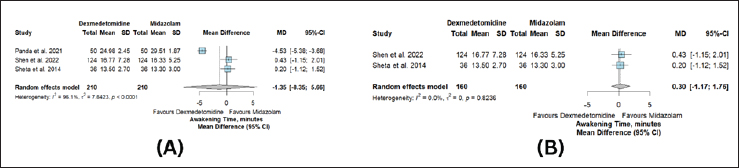
Figure 1. PRISMA 2020 flow diagram of study selection.
Exploration of heterogeneity for the primary outcomes
Pre-specified subgroup analyses to explore the substantial heterogeneity observed for the primary outcomes (onset of sedation, I² = 96.7%; satisfactory sedation, I² = 78.4%) could not be meaningfully performed. Each primary outcome was informed by only four trials, and these were distributed thinly across the pre-registered subgroup categories (MDZ route, dexmedetomidine dose tier, clinical setting, procedure type, and age group), leaving one or no studies in most strata. With so few studies per subgroup, any stratified estimate would be statistically unstable and uninterpretable, and a formal test for subgroup differences would be underpowered and misleading. For the onset of sedation in particular, all four contributing trials used the IN route for both agents and dexmedetomidine doses confined to the 1-2 µg/kg range, so the planned route and dose-tier subgroups offered no contrast. Meta-regression (which requires ≥10 studies per covariate) was likewise infeasible. We therefore did not perform subgroup analyses for the primary outcomes and interpret the pooled estimates with corresponding caution, treating the heterogeneity as a limitation of the current evidence base rather than a quantity that the available data can resolve (see Discussion).
Secondary outcomes
Parental satisfaction
Two studies reported parental satisfaction on a Likert 1-10 scale. There was no significant difference between dexmedetomidine and MDZ in the pooled analysis (MD = -1.68, 95% CI -13.51 to 10.16, p = 0.78). Moderate heterogeneity was observed (I² = 35.4%, p = 0.2134).
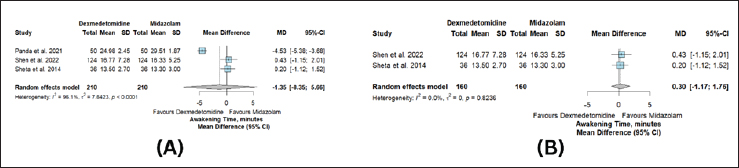
Figure 2. RoB assessment of included studies.
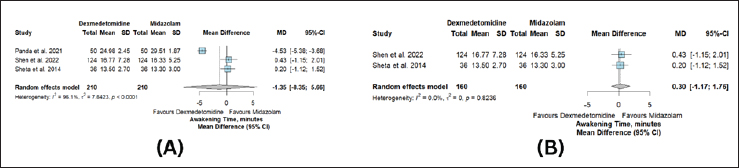
Figure 3. Forest plot of the onset of sedation.
Post-procedure anxiety
Two studies reported post-procedure anxiety, which was pooled. Post-procedure anxiety scores were significantly lower with dexmedetomidine than with MDZ (MD = -0.81, 95% CI -1.43 to -0.19, p = 0.01). Heterogeneity was not significant (I² = 0.0%, p = 0.5196), indicating that the results were consistent across studies (Figure 5).
Emergence delirium
Two studies reported the emergence of delirium. Dexmedetomidine was significantly less likely to be associated with emergence delirium than MDZ (RR = 0.31, 95% CI 0.19 to 0.50, p < 0.001). The studies showed no heterogeneity (I² = 0.0%, p = 0.64), indicating consistent findings (Figure 6).
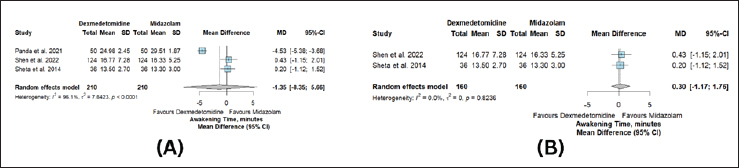
Figure 4. Forest plot of the satisfactory sedation.
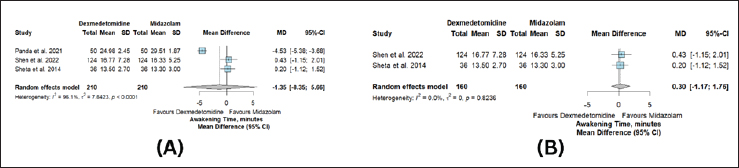
Figure 5. Forest plot of the post-procedure anxiety.
Emergence agitation
Two studies were pooled for emergence agitation. Dexmedetomidine resulted in a significant decrease in the risk of emergence agitation compared with MDZ (RR = 0.36, 95% CI 0.18 to 0.75, p = 0.005). There was no evidence of heterogeneity (I² = 0.0%, p = 1.00).
Awakening time
Awakening time was pooled across three studies. There was no statistical difference between dexmedetomidine and MDZ (MD = -1.35 minutes, 95% CI -8.35 to 5.66, p = 0.71) in the overall analysis. However, heterogeneity was very high (I² = 96.1%, p < 0.0001) (Figure 7a). After excluding Panda et al. (2021) in a sensitivity analysis, the result remained non-significant (MD = 0.30 minutes, 95% CI -1.17 to 1.76, p = 0.69), while heterogeneity was completely resolved (I² = 0.0%, p = 0.8236) (Figure 7b).
Non-pooled outcomes
Several outcomes could not be pooled owing to differing definitions, scales, or reporting formats. Drug acceptance was higher with dexmedetomidine [Lalwani (2025); 3.83 ± 0.57 vs. 2.42 ± 0.97 on a 1-5 scale, p < 0.001]. Rescue sedation was infrequent and did not differ significantly [3/50 vs. 0/50; (Panda 2021), p = 0.08].
Dexmedetomidine was generally favored for parental separation and procedural cooperation: successful separation occurred in 73.3% vs. 46.7% [(Gupta, 2017), p = 0.035] and 77.8% vs. 44.4% [(Sheta, 2014), p = 0.002]. Mask acceptance also favored dexmedetomidine in two studies [(Saad, 2020), p = 0.028; (Sheta, 2014), 80.6% vs. 58.3%, p = 0.035].
Respiratory safety favored dexmedetomidine, driven by the largest trial: Shen (2022) reported lower perioperative respiratory adverse events (24.2% vs. 56.5%; adjusted OR 4.44), oxygen desaturation (17.7% vs. 47.6%; adjusted OR 4.60, 95% CI 2.55-8.33), and laryngospasm (1.6% vs. 9.7%). Saad (2020), Sheta (2014), and Yao (2020) reported no desaturation, respiratory depression, or laryngospasm in either group.
Postoperative pain and analgesic requirement trended in favor of dexmedetomidine. Analgesic requirements was lower with dexmedetomidine in Shen (2022) (11.3% vs. 24.2%, p = 0.03), and pain scores were lower in Saad (2020) (MOPS, all p < 0.05) and Sheta (2014) (CHEOPS, p = 0.039), the latter with less rescue morphine use (33.3% vs. 52.8%, p = 0.043).
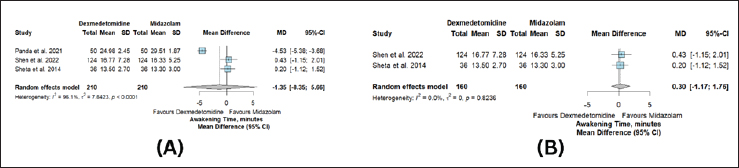
Figure 6. Forest plot of the emergence delirium.
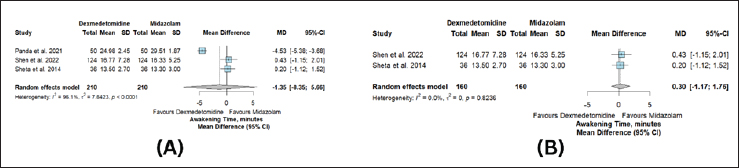
Figure 7. Forest plot of awakening time: (a) before sensitivity analysis; (b) after sensitivity analysis.
Postoperative nausea and vomiting [3.8% vs. 22%, p = 0.006; 24] and shivering [8.3% vs. 25%, p = 0.042; 23 and 25] were lower with dexmedetomidine.
Nasal irritation was uncommon and was not reported in Lalwani [19], Panda [20], Saad [23], or Neville [10]. Sheta [25] found markedly higher irritation with MDZ (36.1% vs. 0%, p < 0.001); in Yao [24], the oral MDZ comparator precluded a direct tolerability comparison.
Time to discharge was shorter with dexmedetomidine in Panda [20] (46.34 ± 3.13 vs. 51.04 ± 7.43 minutes, p < 0.001), whereas Post-Anesthesia Care Unit or discharge times were comparable in Shen [22], Yao [24], Sheta [25], and Neville [10] (all non-significant).
Certainty of evidence (GRADE)
The certainty of evidence assessed with the GRADE framework is summarized in Table 2. Certainty was low or very low for the co-primary outcomes (sedation onset and satisfactory sedation), downgraded principally for serious-to-very-serious inconsistency (I² = 96.7% and 78.4%, respectively) and imprecision arising from the small number of trials and wide CIs. Certainty was higher - moderate - for the behavioral-recovery outcomes (post-procedure anxiety, emergence delirium, and emergence agitation), which showed no heterogeneity (I² = 0%) and consistent direction of effect but were each informed by only two trials and were therefore downgraded one level for imprecision.
Discussion
Procedural sedation in children is clinically challenging, as both under- and over-sedation carry significant consequences [1,2]. The IN route is valued for its needle-free delivery and rapid onset [9]. IN-MDZ is well established for procedural anxiolysis [8,13], while IN dexmedetomidine - a selective alpha-2 adrenoceptor agonist - offers minimal respiratory depression and a sleep-like sedation state without paradoxical excitation, though dose-related bradycardia and hypotension remain relevant [12,13].
Despite a growing number of RCTs comparing these two agents, a rigorous quantitative synthesis of their comparative effectiveness and safety had been absent from the literature. Prior meta-analyses evaluated dexmedetomidine predominantly as a premedication adjunct or against heterogeneous comparators, including chloral hydrate and ketamine, limiting the directness of evidence applicable to the specific IN head-to-head comparison [14]. The present systematic review and meta-analysis addresses this gap by pooling data from eight RCTs involving 716 children directly contributing to the dexmedetomidine-versus-MDZ comparison, across diverse procedural settings including echocardiography, brain magnetic resonance imaging (MRI), dental surgery, tonsillectomy, strabismus surgery, and emergency department laceration repair.
Neither co-primary outcome reached statistical significance, though both conveyed directional information. Onset trended toward MDZ (SMD = 1.22, p = 0.45), consistent with the rapid GABA-A potentiation of benzodiazepines versus the more gradual noradrenergic action of dexmedetomidine [12,13]. Satisfactory sedation trended toward dexmedetomidine (RR = 1.23, p = 0.09), echoed by higher adequate-sedation rates at parental separation [73.3% vs. 46.7%, Gupta (2017), p = 0.035; 77.8% vs. 44.4%, Sheta (2014), p = 0.002]. The substantial heterogeneity for both outcomes (I² = 96.7% and 78.4%) reflects genuine diversity in age, procedure type, and dosing and precludes firm conclusions from pooled estimates alone, a limitation also noted by Tervonen et al. [14]. Practically, MDZ retains an onset advantage in time-sensitive settings, while dexmedetomidine may suit elective contexts requiring sustained cooperation.
The most consistent differences were observed in behavioral and recovery-related outcomes. Post-procedure anxiety was significantly lower with dexmedetomidine (MD = -0.81; 95% CI -1.43 to -0.19; p = 0.01; I² = 0%), a finding of clinical relevance given that high procedural distress is associated with post-traumatic psychological sequelae and long-term healthcare avoidance in children [2]. Children receiving MDZ were significantly more likely to experience emergence delirium (RR = 0.31, favoring dexmedetomidine; 95% CI 0.19-0.50; p < 0.001) and emergence agitation (RR = 0.36; 95% CI 0.18-0.75; p = 0.005), with zero heterogeneity across contributing studies in both cases. These differences are clinically meaningful, as the emergence of delirium and agitation requires nursing intervention, prolonged monitoring, and causes significant parental distress. This effect is mechanistically consistent with dexmedetomidine’s locus coeruleus action, which produces sedation qualitatively resembling natural sleep [12,13]. Awakening time did not differ significantly between agents overall (MD = -1.35 minutes; p = 0.71) and remained non-significant after sensitivity analysis (MD = 0.30 minutes; I² = 0%), indicating that dexmedetomidine does not meaningfully prolong recovery at standard procedural doses. Parental satisfaction was also comparable between groups, though this analysis was limited to two studies with moderate residual heterogeneity. Narratively synthesized outcomes generally favored dexmedetomidine for several perioperative measures, including parental separation, mask compliance, postoperative pain, analgesic requirements, nausea, vomiting, and shivering. However, these findings should be interpreted cautiously as they were not suitable for quantitative pooling.
Respiratory safety favored dexmedetomidine, though the signal was driven largely by the largest study: Shen (2022) (n = 373) reported perioperative respiratory adverse events of 56.5% (MDZ) versus 24.2% (dexmedetomidine; adjusted OR 4.44), desaturation of 47.6% versus 17.7% (adjusted OR 4.60; 95% CI 2.55-8.33), and laryngospasm of 9.7% versus 1.6%. Smaller studies reported no respiratory events, likely reflecting lower risk and limited power. This is pharmacologically plausible, as dexmedetomidine spares central respiratory drive [12,13], and may be especially relevant where immediate airway rescue is not assured. Nasal tolerability was broadly comparable, except in Sheta [25], which reported more irritation with MDZ (36.1% vs. 0%; p < 0.001), consistent with the low pH and benzyl alcohol content of IN-MDZ formulations [8,9].
Several limitations warrant consideration. The review is based on eight studies with a relatively small total sample, which restricted statistical power, precluded formal publication-bias testing and meta-regression (both requiring ≥10 studies per outcome), and rendered the planned network meta-analysis infeasible. The comparatively low search yield (56 records, 8 included studies) reflects the deliberately specific scope of this review rather than an incomplete search: we restricted eligibility to direct, head-to-head comparisons of IN dexmedetomidine against MDZ as the primary sedative agent, excluding the larger bodies of literature in which dexmedetomidine is used as an adjunct, compared with chloral hydrate or ketamine, or administered by non-IN routes. The search was developed with a medical librarian, used four conceptual blocks across eight databases, including Google Scholar, and was supplemented by checking the reference lists of included studies and prior reviews; no additional eligible trials were identified. We acknowledge that the restriction to English-language, peer-reviewed, full-text publications and the exclusion of grey literature may have omitted a small number of unpublished or non-English trials, and we have flagged this as a potential source of selection and publication bias. Substantial heterogeneity in the primary-outcome analyses - driven by differences in patient age, procedure type, dexmedetomidine dose, and outcome definitions - limits the generalizability of pooled estimates and prevented formal pooling of several clinically important secondary outcomes, which were instead synthesized narratively. Because each primary outcome was informed by only four trials spread thinly across the pre-registered subgroup categories, pre-specified subgroup analyses could not be performed without producing unstable, uninterpretable estimates; the pooled primary estimates should therefore be read as hypothesis-generating rather than definitive. Five studies had “some concerns” on the Cochrane RoB 2 tool, introducing residual uncertainty into the pooled estimates. The review was restricted to English-language peer-reviewed publications, and all trials were conducted in specialized procedural settings, limiting applicability to resource-constrained healthcare environments.
Future research should prioritize large, adequately powered RCTs in specific contexts - pediatric MRI, emergency procedures, and elective surgical premedication - using internationally standardized outcome definitions, alongside dedicated dose-finding studies for IN dexmedetomidine across age groups. Prospective searching of trial registries such as ClinicalTrials.gov and the WHO International Clinical Trials Registry Platform is also recommended for future updates of this review to capture ongoing and recently completed trials and to mitigate publication bias. A trial powered for respiratory adverse events as the primary endpoint, and greater use of patient- and family-centered outcomes (procedural distress, behavioral change, long-term psychological impact), would strengthen the evidence base. Given the high burden of pediatric procedural sedation in low- and middle-income settings [1], multicenter trials from resource-constrained environments are a priority to improve the global applicability of future guidelines.
Conclusion
This systematic review and meta-analysis pooled data from eight RCTs involving 716 children aged 0-18 years comparing IN dexmedetomidine with MDZ for procedural sedation. Neither primary efficacy outcome reached statistical significance, though directional trends were evident: MDZ tended toward faster sedation onset, retaining a practical advantage in time-sensitive settings, whereas dexmedetomidine showed a non-significant trend toward higher satisfactory sedation rates. Dexmedetomidine was associated with significantly lower post-procedural anxiety, emergence delirium, and emergence agitation without prolonging awakening time, and narrative synthesis suggested a more favorable perioperative respiratory safety profile. These findings should be weighed against the limitations of the evidence base, namely a small total sample, considerable clinical heterogeneity across procedure types, ages, and dosing regimens, and the moderate RoB concerns in several included studies. Restriction to specialized procedural settings further limits generalizability. Overall, IN dexmedetomidine is a promising alternative to MDZ, particularly for elective pediatric procedures prioritizing behavioral recovery and respiratory safety. Adequately powered, multicenter trials using standardized outcome definitions are needed to optimize dosing and confirm these findings.
List of Abbreviations
ASA American Society of Anesthesiologists
CDSR Cochrane Database of Systematic Reviews
CENTRAL Cochrane Central Register of Controlled Trials
CHEOPS Children’s Hospital of Eastern Ontario Pain Scale
CI Confidence interval
Dex Dexmedetomidine
GRADE Grading of Recommendations Assessment, Development and Evaluation
IN Intranasal
MD Mean Difference
MDZ Midazolam
MeSH Medical Subject Headings
MOPS Modified Objective Pain Score
MRI Magnetic Resonance Imaging
OR Odds Ratio
PACU Post-Anesthesia Care Unit
PO-MDZ Oral Midazolam
PNV Postoperative Nausea and Vomiting
PRISMA Preferred Reporting Items for Systematic Reviews and Meta-Analyses
PROSPERO International Prospective Register of Systematic Reviews
PSA Procedural Sedation and Analgesia
RCT Randomized Controlled Trial
RoB Risk of Bias
RR Risk Ratio
SMD Standardized Mean Difference
SWiM Synthesis Without Meta-analysis
Conflict of interests
The authors declare that there is no conflict of interest regarding the publication of this article.
Funding
None.
Consent to participate
Not applicable.
Consent for publication
Not applicable.
Ethical approval
Not applicable.
Author details
Ahmad M. Alridahie¹, Saleh K. Almasoud¹, Ammar K. Alhajjaj¹, Bassam K. Alkhalifah¹, Abdulrhman N. Aldubayyan¹
- College of Medicine, Qassim University, Buraydah, Saudi Arabia
Supplementary content (If any) is available online.
References
- Krauss B, Green SM. Procedural sedation and analgesia in children. Lancet. 2006;367(9512):766–80. https://doi.org/10.1016/S0140-6736(06)68230-5
- Bhatt M, Johnson DW, Chan J, Taljaard M, Barrowman N, Farion KJ, et al. Risk factors for adverse events in emergency department procedural sedation for children. JAMA Pediatr. 2017;171(10):957–64. https://doi.org/10.1001/jamapediatrics.2017.2135
- Kearns GL, Abdel-Rahman SM, Alander SW, Blowey DL, Leeder JS, Kauffman RE. Developmental pharmacology-drug disposition, action, and therapy in infants and children. N Engl J Med. 2003;349(12):1157–67. https://doi.org/10.1056/NEJMra035092
- Bhatt M, Johnson DW, Taljaard M, Chan J, Barrowman N, Farion KJ, et al. Association of preprocedural fasting with outcomes of emergency department sedation in children. JAMA Pediatr. 2018;172(7):678–85. https://doi.org/10.1001/jamapediatrics.2018.0830
- Goto T, Hasegawa K, Faridi M, Sullivan A, Camargo C. Emergency department utilization by children in the USA, 2010-2011. West J Emerg Med. 2017;18(6):1042–46. https://doi.org/10.5811/westjem.2017.7.33723
- Gausche-Hill M, Ely M, Schmuhl P, Telford R, Remick KE, Edgerton EA, et al. A national assessment of pediatric readiness of emergency departments. JAMA Pediatr. 2015;169(6):527–34. https://doi.org/10.1001/jamapediatrics.2015.138
- Kempthorne P, Morriss WW, Mellin-Olsen J, Gore-Booth J. The WFSA global anesthesia workforce survey. Anesth Analg. 2017;125(3):981–90. https://doi.org/10.1213/ANE.0000000000002258
- Pansini V, Curatola A, Gatto A, Lazzareschi I, Ruggiero A, Chiaretti A. Intranasal drugs for analgesia and sedation in children admitted to pediatric emergency department: a narrative review. Ann Transl Med. 2021;9(2):189. https://doi.org/10.21037/atm-20-5177
- Wolfe TR, Braude DA. Intranasal medication delivery for children: a brief review and update. Pediatrics. 2010;126(3):532–7. https://doi.org/10.1542/peds.2010-0616
- Neville DNW, Hayes KR, Ivan Y, Mcdowell ER, Pitetti RD. Double-blind randomized controlled trial of intranasal dexmedetomidine versus intranasal midazolam as anxiolysis prior to pediatric laceration repair in the emergency department. Acad Emerg Med. 2016;23(8):910–7. https://doi.org/10.1111/acem.12998
- Surendar MN, Pandey RK, Saksena AK, Kumar R, Chandra G. A comparative evaluation of intranasal dexmedetomidine, midazolam and ketamine for their sedative and analgesic properties: a triple blind randomized study. J Clin Pediatr Dent. 2014;38(3):255–61. https://doi.org/10.17796/jcpd.38.3.l828585807482966
- O’Kane A, Quinney SK, Kinney E, Bergstrom RF, Tillman EM. A systematic review of dexmedetomidine pharmacology in pediatric patients. Clin Transl Sci. 2024;17(12):e70020. https://doi.org/10.1111/cts.70020
- Lewis J, Bailey CR. Intranasal dexmedetomidine for sedation in children; a review. J Perioper Pract. 2020;30(6):170–5. https://doi.org/10.1177/1750458919854885
- Tervonen M, Pokka T, Kallio M, Peltoniemi O. Systematic review and meta-analysis found that intranasal dexmedetomidine was a safe and effective sedative drug during paediatric procedural sedation. Acta Paediatr. 2020;109(10):2008–16. https://doi.org/10.1111/apa.15348
- Nie J, Chen C, Xie J, Ding G. Oral midazolam vs. intranasal dexmedetomidine plus oral midazolam for sedation of pediatric outpatients: a double-blinded randomized controlled trial. BMC Anesthesiol. 2023;23(1):341. https://doi.org/10.1186/s12871-023-02289-5
- Page MJ, McKenzie JE, Bossuyt PM, Boutron I, Hoffmann TC, Mulrow CD, et al. The PRISMA 2020 statement: an updated guideline for reporting systematic reviews. BMJ. 2021;372(71):71. https://doi.org/10.1136/bmj.n71
- Sterne JA, Savović J, Page MJ, Elbers RG, Blencowe NS, Boutron I, et al. RoB 2: a revised tool for assessing risk of bias in randomised trials. BMJ. 2019;366:4898. https://doi.org/10.1136/bmj.l4898
- Wells GA, Shea B, O’Connell D, Peterson J, Welch V, Losos M, et al. The Newcastle-Ottawa Scale (NOS) for assessing the quality of nonrandomised studies in meta-analyses. Ottawa, Canada: Ottawa Hospital Research Institute; 2000.
- Lalwani Y, Dave B, Shah L. Comparative evaluation of the effectiveness and acceptance of intranasal dexmedetomidine and intranasal midazolam for sedation in children aged 5-8 years using a mucosal atomizer device: a randomized controlled clinical study. J Dent Anesth Pain Med. 2025;25(2):109–22. doi:10.17245/jdapm.2025.25.2.109
- Panda S, Pujara J, Chauhan A, Varma A, Venuthurupalli R, Pandya H, Patel S. Comparative study of intranasal dexmedetomidine v/s midazolam for sedation of pediatric patients during transthoracic echocardiography. Ann Card Anaesth. 2021;24(2):224–9. doi:10.4103/aca.ACA_17_20
- Gupta A, Dalvi NP, Tendolkar BA. Comparison between intranasal dexmedetomidine and intranasal midazolam as premedication for brain magnetic resonance imaging in pediatric patients: a prospective randomized double blind trial. J Anaesthesiol Clin Pharmacol. 2017;33(2):236–40. doi:10.4103/joacp.JOACP_204_16
- Shen F, Zhang Q, Xu Y, Wang X, Xia J, Chen C, et al. Effect of intranasal dexmedetomidine or midazolam for premedication on the occurrence of respiratory adverse events in children undergoing tonsillectomy and adenoidectomy: a randomized clinical trial. JAMA Netw Open. 2022;5(8):e2225473. doi:10.1001/jamanetworkopen.2022.25473
- Saad BB, Tharwat AI, Ghobrial HN, Elfawal SM. Intranasal dexmedetomidine versus intranasal midazolam as pre-anesthetic medication in pediatric age group undergoing adenotonsillectomy. Ain Shams J Anaesthesiol. 2020;12(1):1–10.
- Yao Y, Sun Y, Lin J, Chen W, Lin Y, Zheng X. Intranasal dexmedetomidine versus oral midazolam premedication to prevent emergence delirium in children undergoing strabismus surgery: a randomised controlled trial. Eur J Anaesthesiol. 2020;37(12):1143–9. doi:10.1097/EJA.0000000000001270
- Sheta SA, Al-Sarheed MA, Abdelhalim AA. Intranasal dexmedetomidine vs midazolam for premedication in children undergoing complete dental rehabilitation: a double-blinded randomized controlled trial. Paediatr Anaesth. 2014;24(2):181–9. doi:10.1111/pan.12287
- R Core Team. R: a language and environment for statistical computing. Vienna, Austria: R Foundation for Statistical Computing; 2024.
Keywords: Dexmedetomidine, midazolam, procedural sedation, intranasal administration, children.


Publication History
Received: June 11, 2026
Revised: June 30, 2026
Accepted: July 07, 2026
Published: August 15, 2026
Authors
 ORCID
ORCID
Saleh K.Almasoud
College of medicine, Qassim university, Qassim, Saudi Arabia.
Ammar K.Alhajjaj
College of medicine, Qassim university, Qassim, Saudi Arabia.
Bassam K. Alkhalifah
College of medicine, Qassim university, Qassim, Saudi Arabia.
Abdulrhman N.Aldubayyan
College of medicine, Qassim university, Qassim, Saudi Arabia.