Annals of Middle Eastern Medicine
Abdullah M. Alzahrani et al. Annals of Middle Eastern Medicine. 2026;2(3):276-280
REVIEW ARTICLE
Euglycemic diabetic ketoacidosis in type 2 diabetes mellitus patients following SGLT2i use: a case report
Abdullah M. Alzahrani1,2,3, Ghaida I. Alselami1,2*, Manal Naser Almutairy1,2, Abdulaziz Bamusa1,2, Belal Abdulahad Alturkistani1,2
Correspondence to: Ghaida I. Alselami
*College of Medicine, King Saud bin Abdulaziz University for Health Sciences, Jeddah, Saudi Arabia; King Abdullah International Medical Research Center, Jeddah, Saudi Arabia.
Email: alsulamighayda@gmail.com
Full list of author information is available at the end of the article.
Received: 20 April 2026 | Revised (1): 24 May 2026 | Accepted: 31 May 2026
ABSTRACT
Background:
While relatively rare in type 2 diabetes mellitus (T2DM), diabetic ketoacidosis (DKA) is a serious complication that occurs due to absolute or relative insulin deficiency. Euglycemic DKA (EDKA) is a variant of DKA where patients present with normal blood sugar levels. Recently, studies have reported increased incidence of EDKA associated with the use of sodium-glucose cotransporter 2 (SGLT2) inhibitors, medications used to manage blood glucose.
Case Presentation:
A 53-year-old man with newly diagnosed T2DM presented with severe nausea and vomiting 4 days after the initiation of empagliflozin/metformin. Laboratory evaluation revealed metabolic acidosis (pH 7.16, bicarbonate 12 mmol/l), elevated anion gap (21 mmol/l), and increased serum ketones, despite near-normal blood glucose levels (7.8 mmol/l, approximately 140 mg/dl). A diagnosis of EDKA was made. The patient was treated with intravenous fluids, insulin therapy, and electrolyte replacement, with discontinuation of the SGLT2 inhibitor. He showed rapid clinical and biochemical improvement and was discharged on insulin therapy, later transitioning to oral agents.
Conclusion:
EDKA should be suspected in patients receiving SGLT2 inhibitors who present with unexplained metabolic acidosis, even in the absence of significant hyperglycemia. Early recognition and prompt management are essential to prevent complications.
Keywords:
Diabetes, drug safety, SGLT2i, DKA.
Introduction
Diabetic ketoacidosis (DKA) is a serious and potentially life-threatening complication mainly associated with type 1 diabetes mellitus (T1DM). It usually presents with a triad of symptoms: hyperglycemia (blood glucose levels above 250 mg/dl), ketonemia (presence of ketones in the blood), and metabolic acidosis (pH < 7.35, decreased HCO3-, elevated anion gap). While uncommon, DKA can occur in type 2 diabetes mellitus (T2DM) as well. Chow et al. [1] describe DKA as resulting from the absence or deficiency of insulin, leading to increased lipolysis and ketogenesis, resulting in the accumulation of ketone bodies and hyperglycemia. Euglycemic DKA (EDKA) is a relatively rare variant of DKA occurring in the presence of normal or slightly elevated blood glucose levels (blood glucose levels < 200 mg/dl). Recently, studies have highlighted the rising incidence of EDKA associated with the use of sodium-glucose cotransporter 2 (SGLT2) inhibitors, a class of medications used to manage T2DM [2]. SGLT2 inhibitors work by promoting glucosuria, leading to lowered blood glucose levels and simultaneously increasing the risk of ketosis and acidosis [3]. In this case report, we discuss a case of EDKA occurring 4 days after the initiation of SGLT2 inhibitors in a newly diagnosed T2DM patient.
Case Presentation
Patient information
We present here a case of a 53-year-old man, a known case of dyslipidemia managed with atorvastatin 20 mg daily and a recent diagnosis of T2DM on October 17, 2023, with an initial HbA1C of 12.2%. Due to the refusal of insulin therapy, the patient received initial treatment of Synjardy (empagliflozin/metformin) 12.5/1 g twice daily and sitagliptin 100 mg daily.
Clinical findings
He presented to the emergency room 4 days later on October 21 with a 2-day history of severe nausea and vomiting, initially attributed to dietary intake, as the patient reported symptoms started after consuming meat from outside. He denied a history of fever, weight changes, night sweats, change of consciousness, cough, or any urinary symptoms besides the longstanding polyuria and polyphagia he had experienced for the last 2-3 years.
On examination, the patient was vitally stable, not showing any signs of dehydration. His blood pressure (BP) was 125/77 mmHg, heart rate (HR) was 96 bpm, respiratory rate (RR) was 20/min, and peripheral oxygen saturation (SpO2) was 98% on room air. The patient was alert and oriented, and his systemic examination was unremarkable.
Timeline
Diagnostic assessment
Initial lab results had no significant findings besides slightly decreased sodium levels (Table 1). Analysis of venous blood gases revealed a decrease in pH, decreased bicarbonate, elevated anion gap, and ketones. The basal metabolic panel revealed a euglycemic state, and urinalysis was positive for ketones. ECG was unremarkable. Based on the clinical presentation and laboratory findings, the patient was admitted as a case of euglycemic ketoacidosis due to the use of SGLT2 inhibitors.
Therapeutic intervention
During his hospital course, the DKA protocol was initiated (intravenous fluid resuscitation, continuous insulin infusion, and potassium) (Figure 1). The SGLT2 inhibitor was discontinued upon diagnosis.
Follow-up and outcomes
The patient recovered uneventfully and was discharged on glargine 20 units once daily and aspart 5 units three times daily (TID) prior to meals. He was monitored closely in our endocrinology clinic. Upon regular follow-up visits, the patient displayed progressive optimization in his blood glucose levels, leading to discontinuation of insulin therapy, and he was back on antidiabetic agents solely (Table 3).
Discussion
Our case sheds light on a very critical and relatively rare complication of SGLT2 inhibitors, EDKA, with a prevalence of 4.6 to 8.0 per 1,000 patient-years in T2DM [4]. The temporal relationship between the initiation of SGLT2 inhibitors and the development of EDKA strongly suggests that the medication is a possible cause, especially since our patient had longstanding symptoms of diabetes (3 years) prior to initiating treatment. Indeed, in 2015, the FDA issued a warning in which there had been 20 cases of DKA associated with SGLT2 inhibitors [5]. Most of these cases were associated with precipitating events like surgery, reduced insulin dose, and decreased carbohydrate intake, which was the case in our patient [5].
Table 1. Patient’s labs upon admission and discharge.
| Lab test | Admission (October 21) | Discharge (October 23) | Reference range uUnit) |
|---|---|---|---|
| Whole Blood Glucose | 7.8 | 8.7 | 3.9-6.1 mmol/l (>15 years) |
| Serum Ketones |
4.9 | 0.3 | <0.6 mmol/l |
| pH (Arterial/Venous) | 7.16 | 7.38 | 7.35-7.45 |
| Bicarbonate (HCO3−) | 12 | 25 | 22-29 mmol/l |
| Anion Gap | 21 | 11 | 7-15 mmol/l |
| Serum Osmolality | 292 | Missing | 288-298 mOsm/kg |
| Lactate | 1.31 | Missing | 0.7-2 mmol/l |
| Sodium | 135 | 136 | 135-144 mmol/l |
| Potassium | 4.1 | 3.7 | 3.5-4.9 mmol/l |
| Chloride | 112 | 109 | 101-111 mmol/l |
| Creatinine | 78 | 60 | 65-112 µmol/l |
| eGFR | 103 | 111 | ≥60 ml/min/1.73m² |
| BUN | 5.8 | 3.1 | 2.8-7.4 mmol/l |
| Hb | 13.9 | 14.2 | 13.0-18.0 g/dl |
| WBC | 9.9 | 7.3 | 4.0-11.0 × 10⁹/l |
| Platelets | 220 | 192 | 150-450 × 10⁹/l |
| Adj. Calcium | 2.08 | 2.23 | 2.10-2.55 mmol/l |
| Urine Ketones | Positive | Negative | Negative (UA) |
| Urine Glucose | Positive | Negative | Negative (UA) |
BUN, blood urea nitrogen; eGFR, estimated glomerular filtration rate.
Table 2. Patient’s timeline.
| Date | Event |
|---|---|
| 17 October 2023 | Diagnosis of T2DM (HbA1c 12.2%), started on SGLT2 inhibitor |
| 19 October 2023 | Onset of nausea and vomiting |
| 21 October 2023 | Presentation to emergency department; diagnosed with EDKA |
| 21-23 October 2023 | Hospital admission and treatment with DKA protocol |
| 23 October 2023 | Discharged on insulin therapy |
| January-May 2024 | Follow-up with improved glycemic control and transition to oral therapy |
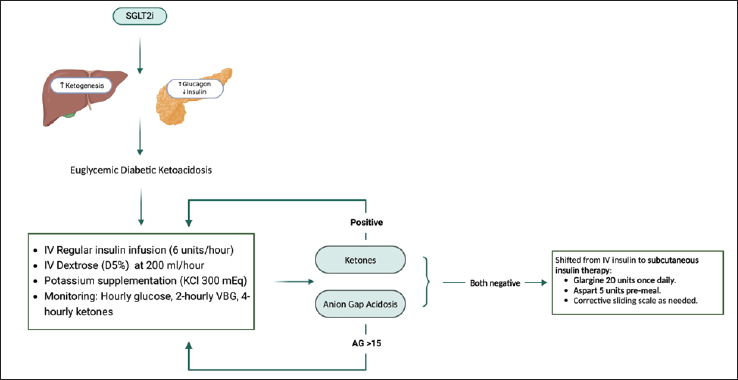
Figure 1. EDKA Management protocol followed for our patient.
The etiology of our patient’s EDKA is hypothesized to be influenced by both pharmacological and dietary factors, which led to a synergistic effect and the development of EDKA in only 4 days following treatment. As previously mentioned, the way SGLT2 inhibitors work is by promoting glycosuria and reducing renal glucose consumption, thereby achieving lower blood glucose levels independent of insulin’s action [5]. Meanwhile, glucagon secretion is also stimulated, leading to ketogenesis [6]. In addition to the pharmacological aspect, what further precipitated his case is the patient’s low-carbohydrate dietary intake, leading to decreased insulin levels and a further increase in lipolysis and ketogenesis [7,8]. It is not new that low-carbohydrate diets cause EDKA, as it was previously reported in various cases prior to this one; however, persistence of occurrence despite previously established cases necessitates the importance of patient education, especially regarding dietary modifications after initiation of SGLT2 inhibitor therapy [8-12].
The main misleading point in the diagnosis of EDKA is that patients present with normal or slightly elevated blood glucose levels, unlike classical DKA where blood glucose levels are known to exceed 250 mg/dl [13]. Absence of hyperglycemia should not mislead physicians, as decreased pH, elevated bicarbonate, and increased anion gap should lead to suspicion of EDKA, which should then be confirmed with positive ketones [13].
The mainstay of EDKA treatment is intravenous fluids, insulin therapy, and electrolyte replacement, which is similar to the initial management of DKA [3]. In addition, the algorithm requires frequent monitoring of the anion gap and ketones to guide fluid and insulin therapy. Recently, the algorithm has been slightly modified to include a gradual transition to subcutaneous insulin as soon as the patient can tolerate oral feeding, and this is to avoid relapse [14]. It is usually recommended to completely stop SGLT2 inhibitors after the occurrence of EDKA to avoid recurrence of this life-threatening complication. However, this patient resumed SGLT2 inhibitors 6 months after discharge, and thankfully no recurrence of EDKA occurred.
Table 3. Patient’s glycemic control and treatment regimen on follow-ups.
| Date | HbA1c (%) | Diabetic regimen |
|---|---|---|
| 23/10/2023 | N/A | - Discharged on Insulin Glargine 20 units daily and Aspart 5 units pre-meals. |
| 24/12/2023 | N/A | - Continued Glargine 20 units daily and Aspart 5 units TID |
| 21/01/2024 | 6.1 | - Aspart D/C, continuing Glargine 20 units daily. |
| 22/01/2024 | 6.0 | - Switched to Metformin XR 750 mg BID. |
| 06/05/2024 | 5.9 | - Continued on Metformin 500 mg BID and Dapagliflozin 10 mg daily. |
HbA1C, Hemoglobin A1C; BID, Twice a day; TID, Three times a day; D/C, discontinue.
Although research states that the median time to develop EDKA was 2 weeks, clinicians should always have a high suspicion when a patient presents with metabolic acidosis with the absence of severe hyperglycemia, as our patient’s duration was far less than the median time required [15].
Conclusion
This report highlights the importance of early recognition of EDKA in T2DM patients, namely those receiving SGLT2 inhibitors. Physicians should always integrate detailed patient education and be cautious of ketosis even if the patient’s blood glucose levels are within normal ranges. Also, due to the increasing occurrence and case reports of EDKA associated with SGLT2 inhibitors, this necessitates further research concerning the specific pathways that lead to the occurrence of EDKA and highlight the precipitating factors in order to improve the safety profile and efficacy of the SGLT2 inhibitor regimen.
In conclusion, this case report describes a relatively uncommon occurrence of EDKA in a patient with newly diagnosed T2DM, 4 days after initiation of his regimen. Understanding at-risk patients, implementing close monitoring, and further research are needed to improve our understanding of this complication and optimize diabetes management for future patients.
List of Abbreviations
BID Twice daily
BP Blood pressure
BUN Blood urea nitrogen
ECG Electrocardiogram
EDKA Euglycemic diabetic ketoacidosis
eGFR Estimated glomerular filtration rate
DKA Diabetic ketoacidosis
IRB Institutional Review Board
HbA1c Hemoglobin A1c
HR Heart rate
KAIMRC King Abdullah International Medical Research Center
RR Respiratory rate
T1DM Type 1 diabetes mellitus
T2DM Type 2 diabetes mellitus
TID Three times daily
SGLT2i Sodium-glucose cotransporter 2 inhibitors
SpO2 Peripheral oxygen saturation
Conflict of interest
The authors declare that they have no conflicts of interest regarding the publication of this article.
Funding
No funding was received.
Consent to participate
The study was approved by the ethical committee of King Abdullah International Medical Research Center (KAIMRC), IRB reference number (00000171925). Informed consent to participate was waived because no identifiable patient information was included and the study posed minimal risk.
Ethical approval
Not applicable.
Patient consent
This study was approved by the ethical committee of King Abdullah International Medical Research Center (KAIMRC) with the reference IRB number (00000171925). No written consent was obtained as the study does not share patient’s personal information.
Author contributions
All authors contributed to the conception, drafting, and revision of the manuscript and approved the final version.
Author details
Abdullah M. Alzahrani1,2,3, Ghaida I. Alselami1,2, Manal Naser Almutairy1,2, Abdulaziz Bamusa1,2, Belal Abdulahad Alturkistani1,2
- College of Medicine, King Saud bin Abdulaziz University for Health Sciences, Jeddah, Saudi Arabia
- King Abdullah International Medical Research Center, Jeddah, Saudi Arabia
- Department of Family Medicine, King Abdulaziz Medical City, Ministry of the National Guard – Health Affairs, Jeddah, Saudi Arabia
Supplementary content (If any) is available online.
References
- Chow E, Clement S, Garg R. Euglycemic diabetic ketoacidosis in the era of SGLT-2 inhibitors. BMJ Open Diabetes Res Care. 2023;11(5):3666. https://doi.org/10.1136/bmjdrc-2023-003666
- Wang KM, Isom RT. SGLT2 inhibitor-induced euglycemic diabetic ketoacidosis: a case report. Kidney Med. 2020;2(2):218–21. https://doi.org/10.1016/j.xkme.2019.12.006
- Ata F, Yousaf Z, Khan AA, Razok A, Akram J, Ali EAH, et al. SGLT-2 inhibitors associated euglycemic and hyperglycemic DKA in a multicentric cohort. Sci Rep. 2021;11(1):10293. https://doi.org/10.1038/s41598-021-89752-w
- Rosival V. Hyperglycemic crises in adult patients with diabetes: a consensus statement from the American Diabetes Association. Diabetes Care. 2006;29(12):2739–48. https://doi.org/10.2337/dc06-9916
- FDA. FDA warns that SGLT2 inhibitors for diabetes may result in a serious condition of too much acid in the blood. 2015. Available at https://wayback.archive-it.org/7993/20170112031553/http://www.fda.gov/Drugs/DrugSafety/ucm446845.htm
- FDA Drug Safety Communication. FDA revises labels of SGLT2 inhibitors for diabetes to include warnings about too much acid in the blood and serious urinary tract infections. 2015. Available at https://www.fda.gov/drugs/drug-safety-and-availability/fda-drug-safety-communication-fda-revises-labels-sglt2-inhibitors-diabetes-include-warnings-about
- Peters AL, Buschur EO, Buse JB, Cohan P, Diner JC, Hirsch IB. Euglycemic diabetic ketoacidosis: a potential complication of treatment with sodium-glucose cotransporter 2 inhibition. Diabetes Care. 2015;38(9):1687–93. https://doi.org/10.2337/dc15-0843
- Dhatariya KK, Vellanki P. Treatment of diabetic ketoacidosis (DKA)/hyperglycemic hyperosmolar state (HHS): novel advances in the management of hyperglycemic crises (UK versus USA). Curr Diab Rep. 2017;17(5):33. https://doi.org/10.1007/s11892-017-0857-4
- Joshi N, Caputo GM, Weitekamp MR, Karchmer AW. Infections in patients with diabetes mellitus. N Engl J Med. 1999;341(25):1906–12. https://doi.org/10.1056/NEJM199912163412507
- Bamgboye AO, Oni IO, Collier A. Predisposing factors for the development of diabetic ketoacidosis with lower than anticipated glucose levels in type 2 diabetes patients on SGLT2-inhibitors: a review. Eur J Clin Pharmacol. 2021;77(5):651–7. https://doi.org/10.1007/s00228-020-03051-3
- Earle M, Ault B, Bonney C. Euglycemic diabetic ketoacidosis in concurrent very low-carbohydrate diet and sodium-glucose transporter-2 inhibitor use: a case report. Clin Pract Cases Emerg Med. 2020;4(2):185–8. https://doi.org/10.5811/cpcem.2020.2.45904
- Hayami T, Kato Y, Kamiya H, Kondo M, Naito E, Sugiura Y, et al. Case of ketoacidosis by a sodium-glucose cotransporter 2 inhibitor in a diabetic patient with a low-carbohydrate diet. J Diabetes Investig. 2015;6(5):587–90. https://doi.org/10.1111/jdi.12330
- Fralick M, Schneeweiss S, Patorno E. Risk of diabetic ketoacidosis after initiation of an SGLT2 inhibitor. N Engl J Med. 2017;376(23):2300–T2. https://doi.org/10.1056/NEJMc1701990
- Haddadin R, Aboujamra D, Iraninezhad H. Sodium-glucose cotransporter-2 inhibitor-induced euglycemic diabetic ketoacidosis in a type 2 diabetic patient. Cureus. 2023;15(12):e51184. https://doi.org/10.7759/cureus.51184
- Kang CY, Khamooshi P, Reyes Pinzon V. An unsuspected case of euglycemic diabetic ketoacidosis with twists. Cureus. 2022;14(4):e24016. https://doi.org/10.7759/cureus.24016
Keywords: Diabetes, drug safety, SGLT2i, DKA.


Publication History
Received: April 20, 2026
Revised: May 24, 2026
Accepted: May 31, 2026
Published: August 15, 2026
Authors
Abdullah M. Alzahrani
College of Medicine, King Saud bin Abdulaziz University for Health Sciences, Jeddah, Saudi Arabia.
Ghaida I Alselami
College of Medicine, King Saud bin Abdulaziz University for Health Sciences, Jeddah, Saudi Arabia.
Manal Naser Almutairy
College of Medicine, King Saud bin Abdulaziz University for Health Sciences, Jeddah, Saudi Arabia.
Abdulaziz Bamusa
College of Medicine, King Saud bin Abdulaziz University for Health Sciences, Jeddah, Saudi Arabia.
Belal Abdulahad Alturkistani
College of Medicine, King Saud bin Abdulaziz University for Health Sciences, Jeddah, Saudi Arabia.